Employee recognition software has evolved far beyond service anniversaries and points catalogs. In 2026, leading organizations are using recognition platforms as culture infrastructure—systems that reinforce values, strengthen connection, and give leaders real visibility into engagement across the business.
While many platforms focus primarily on celebrating milestones or distributing rewards, only a few are designed to consistently influence culture, connection, and performance at scale. This list highlights the most widely used employee recognition platforms in 2026, with a deeper look at where each one excels—and where limitations still exist.
Key Takeaways:
Employee recognition software helps organizations operationalize how appreciation, rewards, and acknowledgment are delivered across the company. At its core, it enables peers and leaders to recognize contributions in real time—often paired with flexible rewards and visibility across teams.
Modern platforms typically include:
Where platforms differ significantly is what happens next:
Do they simply distribute rewards—or do they actually change how people connect, collaborate, and feel at work?
Best for: Organizations that want to intentionally shape culture, increase engagement, and unify distributed teams—not just reward milestones.
Motivosity is fundamentally different from traditional recognition platforms. While most tools focus on what gets celebrated, Motivosity is designed around why culture works—connection, visibility, gratitude, and belonging.
Rather than operating as a rewards catalog with recognition layered on top, Motivosity functions as a people-first engagement platform where recognition, communication, rewards, and sentiment data live together. The result is not just more appreciation, but stronger relationships, higher adoption, and measurable cultural impact over time.
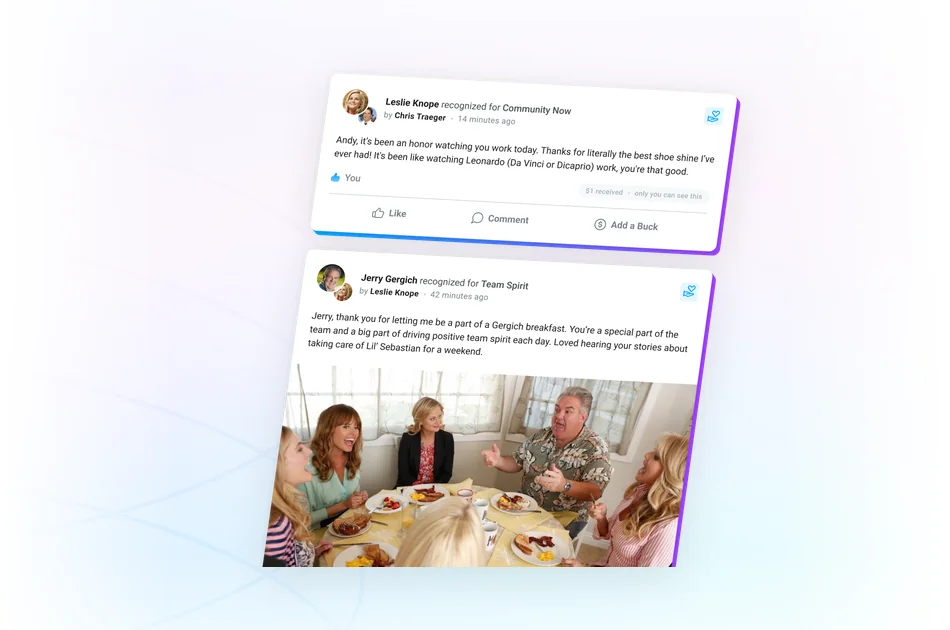
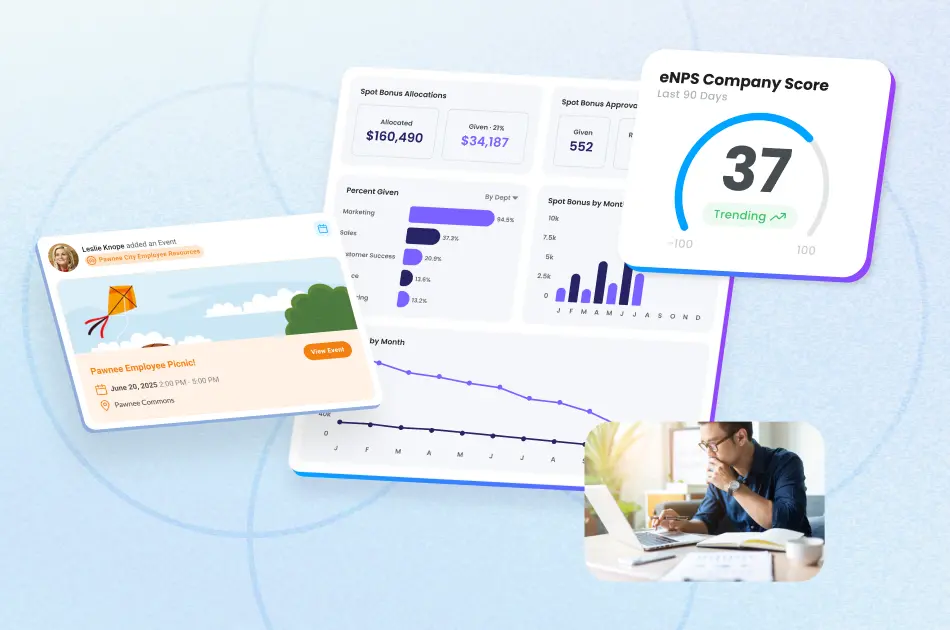
Motivosity enables consistent peer-to-peer and leadership recognition while also giving executives insight into how teams are engaging, where recognition is happening (or not), and how culture correlates with retention and performance. Features like personality profiles, employee Spaces, org charts, and integrated surveys create ongoing connection—not just one-off moments of praise.
Importantly, Motivosity is built to scale without becoming complex. Automation handles milestones, awards, budgets, and reporting, while rewards remain flexible, global, and free of markups—ensuring more budget goes to employees, not vendors.
Strengths
Limitations
Best for: Teams looking for a straightforward recognition and rewards platform with flexible pricing.
Nectar offers peer-to-peer and manager-led recognition with a broad rewards catalog. It’s easy to use and encourages visible appreciation, making it a solid option for teams prioritizing simplicity.
However, Nectar is more limited when it comes to deeper engagement insights and connection-building features. It lacks native surveys, org charts, and employee profiles, which can make it harder for HR leaders to measure long-term impact.
Strengths
Limitations
Best for: Teams that want simple recognition with a points-based system.
Bonusly focuses on frequent, informal peer recognition supported by GIFs and emojis. It’s engaging and easy to adopt, especially for smaller or tech-forward teams.
That said, Bonusly remains relatively limited in terms of reporting depth, cultural insights, and enterprise scalability.
Strengths
Limitations
Best for: Large enterprises looking for structured recognition programs with benchmarking.
Workhuman offers robust recognition tied to values, milestones, and inclusion initiatives. Its analytics and benchmarking tools are appealing to enterprises with mature HR programs.
The tradeoff is complexity and cost. Workhuman can require significant administrative effort and offers less flexibility in rewards compared to newer platforms.
Strengths
Limitations
Best for: Organizations primarily focused on rewards distribution at scale.
Awardco is known for its large rewards catalog and Amazon Business integration. It’s often positioned as a rewards-first platform designed to simplify fulfillment for large employee populations.
While effective for distributing rewards, Awardco places less emphasis on connection, community, and day-to-day engagement. Recognition tends to be more transactional, and cultural tooling is more limited compared to platforms built around social connection.
Strengths
Limitations
Best for: Organizations seeking simple, pay-as-you-go recognition.
Guusto focuses on manager-led gifting with no upfront platform fees. It’s easy to implement and budget-friendly.
However, peer-to-peer recognition and social engagement are more limited.
Best for: Enterprises looking for recognition, wellness, and perks in one ecosystem.
Vantage Circle combines multiple HR tools under one umbrella, including rewards and wellness programs. While broad, the experience can feel fragmented, and users report reliability issues.
Best for: Engagement-driven teams using challenges and goals.
Cooleaf emphasizes participation through challenges and incentives. It works well for organizations focused on team activities but offers a more limited rewards marketplace.
Best for: Values-based recognition with analytics.
Kudos ties recognition to company values and provides sentiment data, though customization options can be limiting.
Best for: Teams looking for AI-assisted recognition with cash rewards.
Assembly offers automation and direct cash redemption but can be difficult to navigate at scale.
Best for: Teams seeking automated milestone recognition.
Mo focuses on celebratory moments with an assistant-driven experience, though deeper analytics require more effort.
Best for: Recognition combined with internal communication.
Empuls blends feedback and recognition but can struggle with integrations and consistency.
Best for: Gamified recognition programs.
Bucketlist emphasizes points and challenges but can be difficult to manage financially at scale.
Best for: Recognition tied to performance reviews.
ThriveSparrow integrates recognition with development but lacks a robust rewards marketplace.
Best for: Performance management with lightweight recognition.
Lattice supports praise tied to goals but does not include rewards, limiting its use as a standalone recognition platform.
Most employee recognition platforms are built to celebrate moments. A much smaller number are built to change behavior, strengthen connection, and reinforce culture every day.
For organizations that see culture as a competitive advantage—not an HR checkbox—Motivosity stands alone in how intentionally it brings recognition, connection, rewards, and insight together in one system.