Employee happiness shouldn't be a “nice-to-have” cultural concept. Organizations that intentionally design employee experience around connection, recognition, and belonging see higher engagement, stronger retention, and better financial outcomes over time. The data is clear: how people feel at work directly impacts how they perform.
The most effective leaders don’t treat happiness, motivation, and experience as separate initiatives. They build systems that reinforce consistent recognition, social connection, and meaningful rewards—at scale. When employee experience is operationalized, not improvised, it becomes a competitive advantage rather than an HR burden.
Key takeaways:
For years, employee happiness was treated as subjective, soft, or impossible to measure. Today, that mindset is not only outdated—it’s risky.
Modern work has fundamentally changed. Remote and hybrid models, economic pressure, burnout, and increased workloads have left employees feeling disconnected and disengaged. Research consistently shows that disengaged employees stay longer than they want to—but perform worse while they’re there. That “Great Detachment” is expensive.
Employee happiness matters because it affects:
In short, culture shows up on the balance sheet.
Compensation matters—but it’s not the primary driver of motivation once basic needs are met. Employees stay motivated when they feel:
Motivation thrives in environments where appreciation is frequent, visible, and authentic. In fact, peer-to-peer recognition is often more powerful than top-down praise because it reinforces belonging and shared ownership of culture.
Leaders who rely solely on bonuses, perks, or annual reviews miss the daily moments that actually sustain motivation.
Employee experience (EX) is the sum of every interaction an employee has with your organization—from onboarding to everyday recognition to how milestones are celebrated.
Strong EX strategies focus on:
When employee experience is fragmented across tools and programs, engagement suffers. When it’s unified, employees know where culture lives—and participate in it.
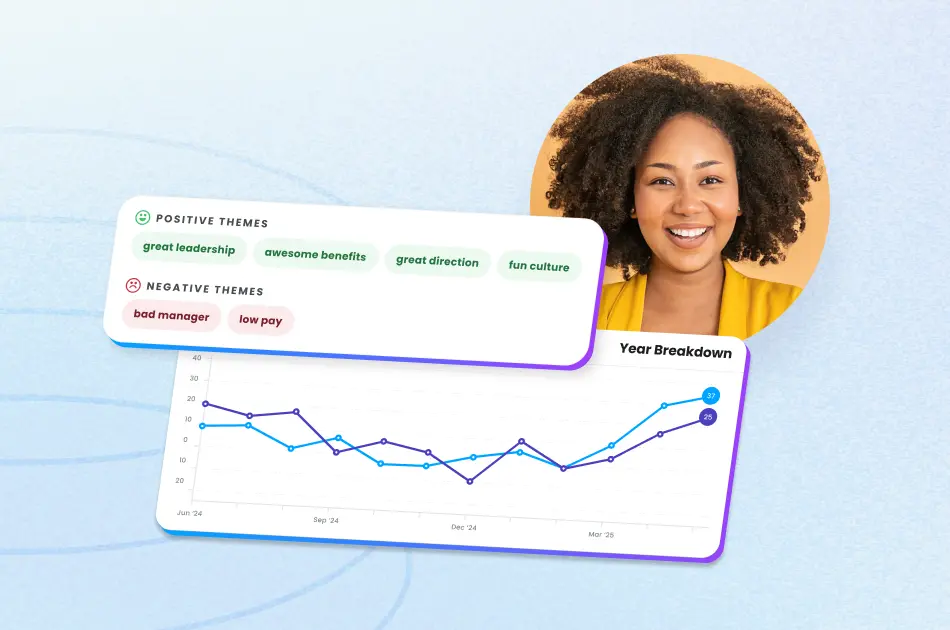
You can’t improve what you don’t measure—but measurement alone isn’t enough.
The most effective organizations track:
What matters most is not the survey itself, but how quickly insights lead to visible action. Employees disengage faster when feedback is collected and ignored than when it’s never asked for at all.
Across organizations of all sizes, the strategies that consistently move the needle include:
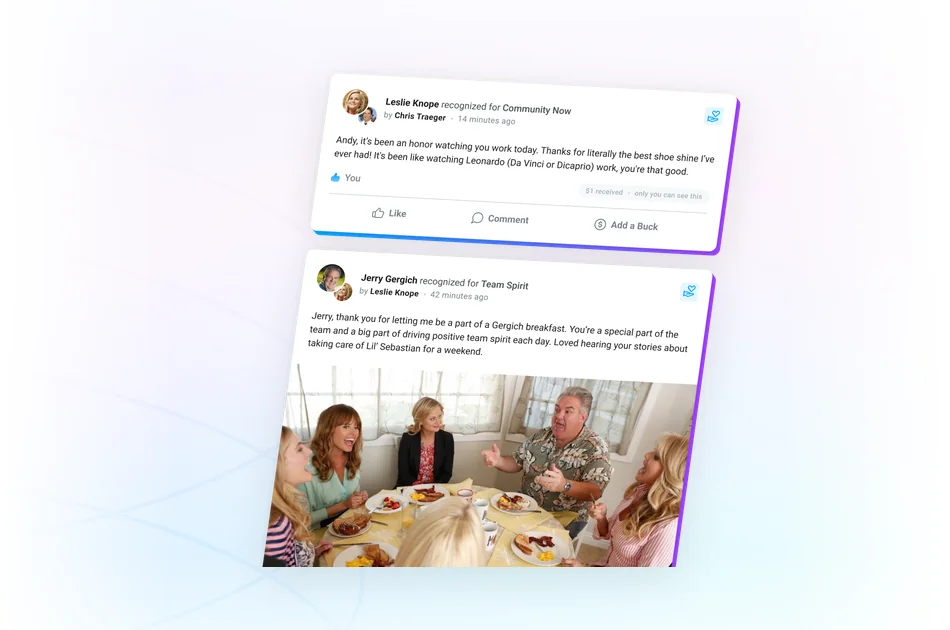
Recognition should happen weekly, not annually—and it should be visible to reinforce norms and values.
When recognition is linked to company values, culture stops being abstract and becomes actionable.
Birthdays, anniversaries, onboarding, and milestones should never be missed—and shouldn’t rely on manual tracking.
Culture scales faster when everyone participates, not just managers.
Employees value choice. Rewards should feel personal, immediate, and meaningful—not restrictive or delayed.
Interest groups, communities, and shared conversations help bridge gaps in remote and hybrid environments.
Fragmentation kills participation. The fewer places employees have to go, the more likely they are to engage.
Employee happiness is critical to success.
Organizations that invest in connection, recognition, and experience see:
The most successful companies don’t ask whether they can afford to invest in employee experience. They recognize they can’t afford not to.
When employee happiness is treated as a strategy—not a side project—it becomes one of the most powerful tools leaders have to drive sustainable growth.