Employee rewards and recognition programs are no longer “nice-to-have” HR initiatives—they are a strategic lever for engagement, retention, performance, and culture. In today’s hybrid, distributed, and increasingly disconnected workforce, organizations that invest in consistent, visible recognition outperform those that rely on sporadic rewards, outdated incentives, or manager-only praise.
Modern programs blend social recognition, peer-to-peer appreciation, and flexible rewards into a unified system that reinforces values, builds connection, and delivers measurable business outcomes. When recognition is intentional, data-informed, and easy to participate in, it becomes a compounding advantage—not an administrative burden.
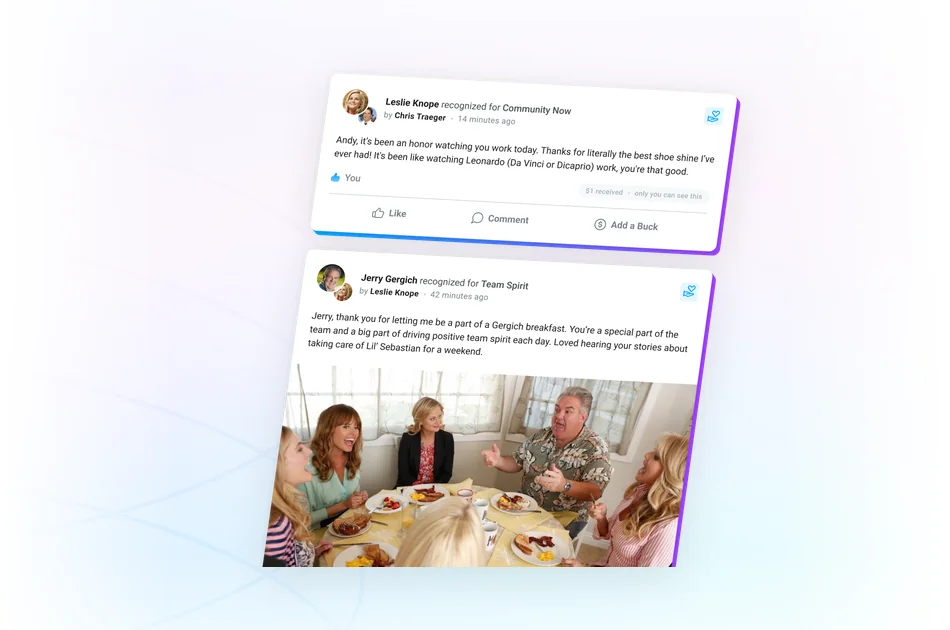
Employee rewards and recognition programs are structured systems that celebrate employees for their contributions to performance, culture, and shared values. These programs reinforce positive behaviors through public recognition, social appreciation, and tangible rewards, helping employees feel seen, connected, and valued.
At their best, rewards and recognition programs:
In contrast to legacy approaches—annual bonuses, service plaques, or holiday gifts—modern programs are continuous, inclusive, and measurable.
Although often grouped together, rewards and recognition serve distinct but complementary purposes.
Recognition is social, human, and relational. It includes:
Recognition answers the emotional question:
“Do I feel seen and valued here?”
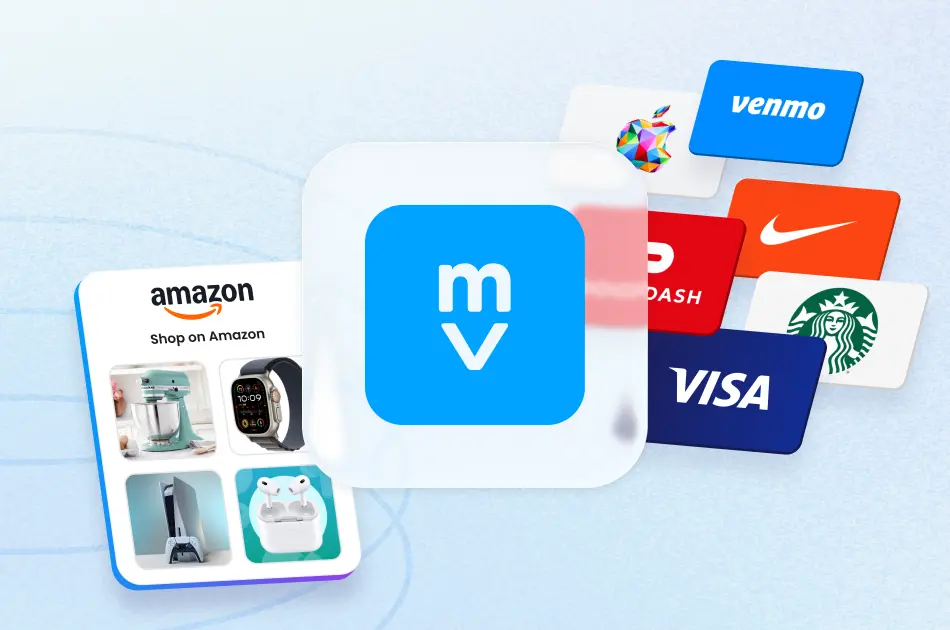
Rewards are tangible and transactional, such as:
Rewards answer the practical question:
“Is my effort meaningfully acknowledged?”
The insight:
Rewards don’t create engagement on their own. Recognition does. Rewards amplify recognition when used intentionally.
Disconnected employees cost U.S. companies hundreds of billions annually in lost productivity and turnover. Recognition creates shared moments of gratitude and visibility, helping employees feel connected to one another and to the organization—especially in remote and hybrid environments.
A culture of recognition:
Employees who expect recognition are significantly more likely to be engaged—and engaged employees are more innovative. Recognition creates psychological safety, making people more willing to share ideas, collaborate, and solve problems together.
Employees don’t leave companies, they leave environments where they feel invisible. Consistent recognition is one of the most reliable predictors of retention, loyalty, and discretionary effort.
When recognition is timely, public, and tied to outcomes, employees are more likely to:
Start with the outcomes that matter most:
Involve executives, HR leaders, managers, and employees early to ensure alignment.
Define how success will be measured:
Without baseline data, ROI remains anecdotal.
Modern programs succeed when costs are:
Predictable budgets reduce risk, improve CFO confidence, and support long-term investment.
Formal, company-wide programs such as:
These provide consistency and fairness.
Spontaneous, everyday appreciation such as:
These drive authenticity and participation.
The most effective programs combine both, creating rhythm and spontaneity without rigidity.
Manual programs often lead to uncontrolled spending and zero visibility. Centralized recognition platforms provide real-time tracking, reporting, and accountability.
Manager-only recognition doesn’t scale. Peer-to-peer recognition distributes ownership and dramatically increases engagement.
Even great programs fail without visibility. Successful programs are embedded into daily workflows, internal communications, and leadership behavior.
Programs designed for employees—but not with them—miss the mark. Feedback loops and employee input are essential for relevance and longevity.
An effective employee recognition solution should be:
Employee rewards and recognition programs are no longer about perks—they’re about performance, connection, and culture at scale. When recognition is consistent, visible, and intentional, it becomes a competitive advantage that compounds over time.
Motivosity helps organizations turn recognition into engagement, retention, and results—bringing appreciation, rewards, communication, and insights together in one place.