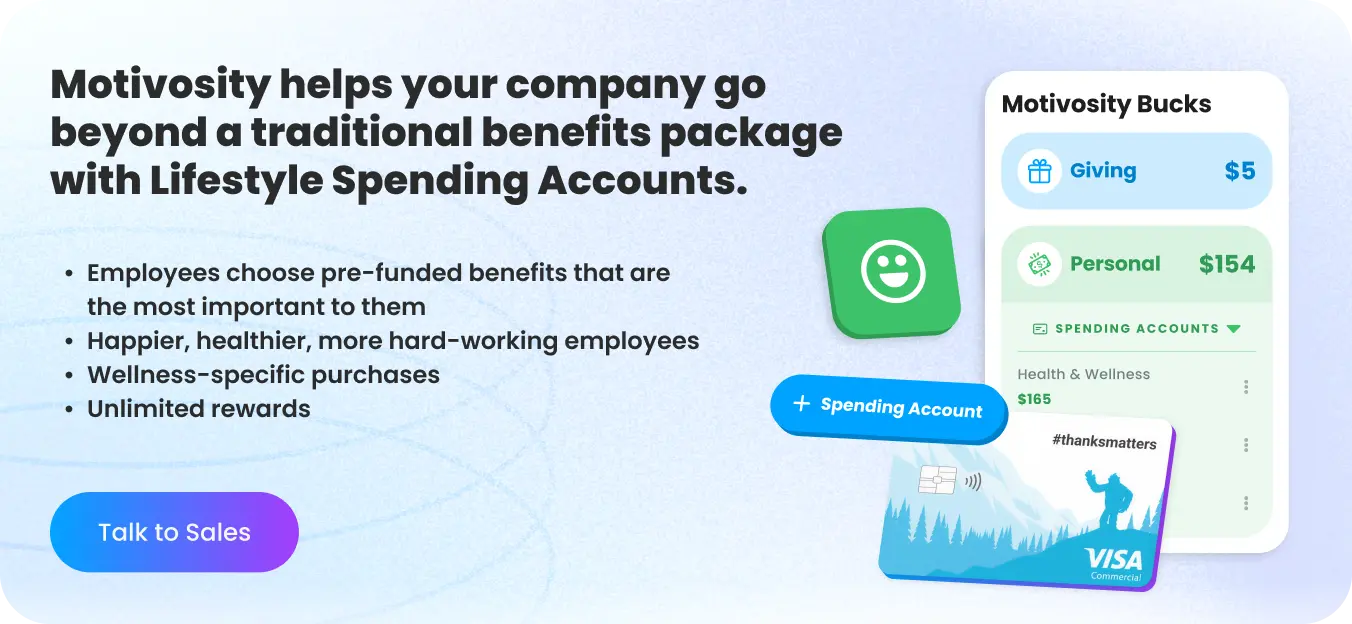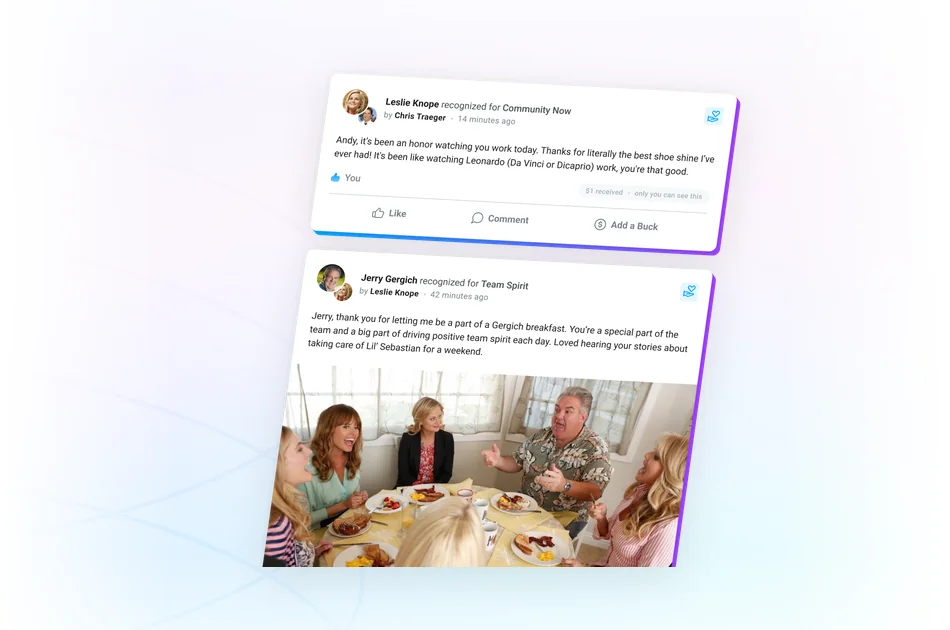
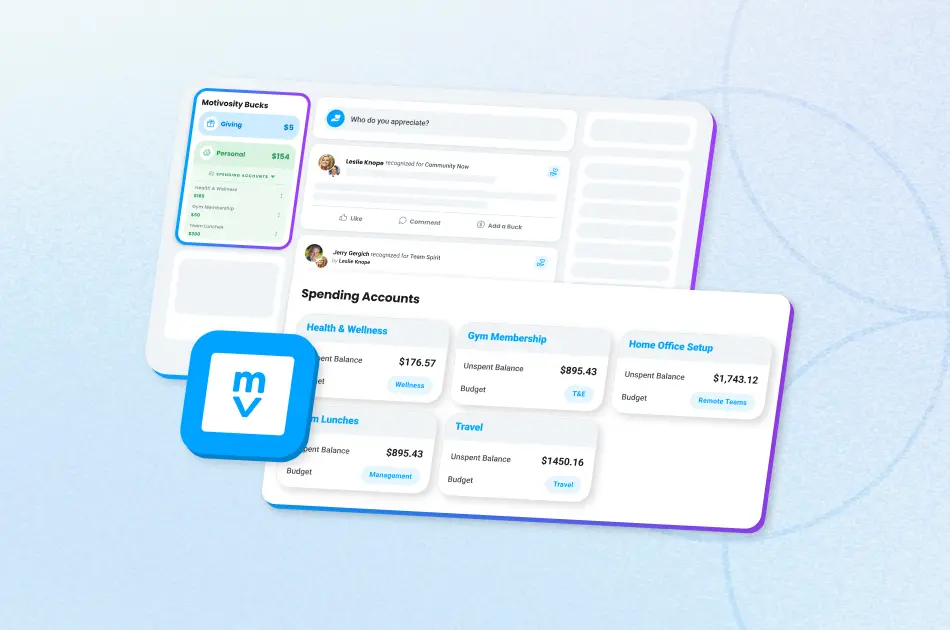
Four out of five employees say they'd rather have meaningful benefits than a higher paycheck — and lifestyle spending accounts (LSAs) are quickly becoming one of the most flexible, employee-valued ways to deliver on that preference. Unlike rigid healthcare plans or FSAs, LSAs let employees spend on what actually matters to them: wellness, family support, professional development, remote work setup, and more. They're a relatively low-cost investment with a measurable return in engagement, retention, and satisfaction.
Key Takeaways:
Employee benefits take many forms, from healthcare savings accounts to flexible working arrangements. Four-fifths of employees prefer additional, meaningful benefits over a higher paycheck. Today, more employers than ever are exploring the benefits of investing in employee wellness via benefit programs such as lifestyle spending accounts (LSAs).
A lifestyle spending account is provided and funded by the employer, offering a post-tax financial benefit that’s customizable to the needs of the team or individual. Employees can spend the funds in the account on a range of lifestyle-related needs, as you’ll learn below.
Let’s take a look at how LSAs are transforming employee wellness and how they can become a major tool for employee retention.
An attractive benefits package should offer more than competitive pay. Firms are investing in lifestyle spending accounts (LSAs) for a number of reasons, not least that happy and healthy employees are far more likely to experience enhanced job satisfaction. Satisfied employees are less likely to leave a role or company, so LSAs can organically increase employee retention.
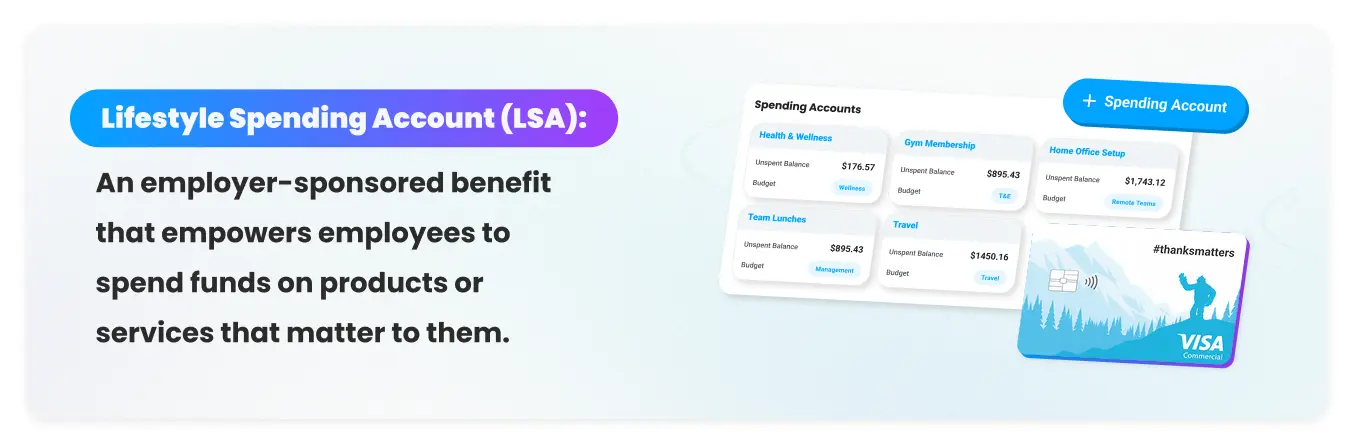
Put simply, a lifestyle spending account is an employer-sponsored benefit that empowers employees to spend funds on products or services that matter to them. These may include mental health-related support services, nutritional assistance, gym memberships, childcare, and more. Benefits programs of this type can be personalized to the needs of the workforce, with employers holding complete control over what services are offered.
Lifestyle benefits are different from standard healthcare plans or flexible working benefits because they encourage employees to be proactive about their well-being. LSAs support employees by offering services that they may find too expensive to take directly from their own paycheck, with benefit offerings including purchases such as life coaching or professional sports equipment.
Businesses who balk at financing these items should consider the type of person they want to employ — miserable and resentful or happy and fulfilled? The relatively minor expense of creating a fund that can be used solely for wellness and lifestyle perks is a way to support employees who then become more loyal, hardworking, and engaged.
A small contribution each month could ensure you nurture employees who are motivated to stay with your company. This reduces or even removes the cost of hiring and training new personnel. In this way, LSAs can save companies money in the long term.
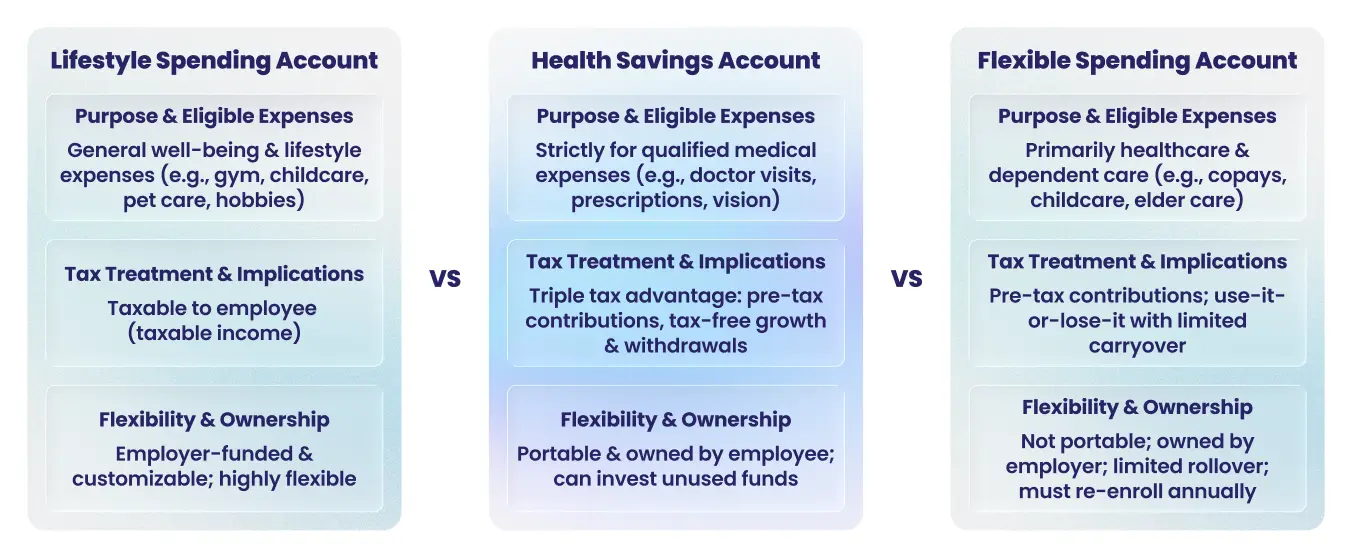
LSAs are just one form of additional program that goes beyond traditional benefits packages. Flexible savings accounts and health savings accounts are also popular choices.
Despite the similarities in name, LSAs and flexible spending accounts (FSAs) are quite different. Lifestyle accounts are provided post-tax and funded by the employer. FSAs allow employees to select a pre-tax amount to put aside, making them a tax-advantaged account. FSAs, however, don’t have the same level of customization and flexibility as lifestyle accounts.
Health savings accounts (HSAs) are another type of tax-advantaged account, but one that solely allows expenditure on healthcare costs. LSAs, on the other hand, allow companies to provide unprecedented support for employee well-being and performance. They empower employees to spend on many types of personal expenses as long as they fall within the remit set by the company.
An LSA is an employer-funded account, and, as such, the onus is fully on the company to organize and run each account. Despite their flexibility, LSAs are relatively simple for companies to set up. A firm chooses the program parameters and how often they want to add LSA funds. They decide how much to contribute and pick the specific services or products employees can access through the LSA. If, at any point, a company wants to change the benefits on offer, they can do this. It’s always good practice to liaise with employees before making changes and keep them informed of any changes made.
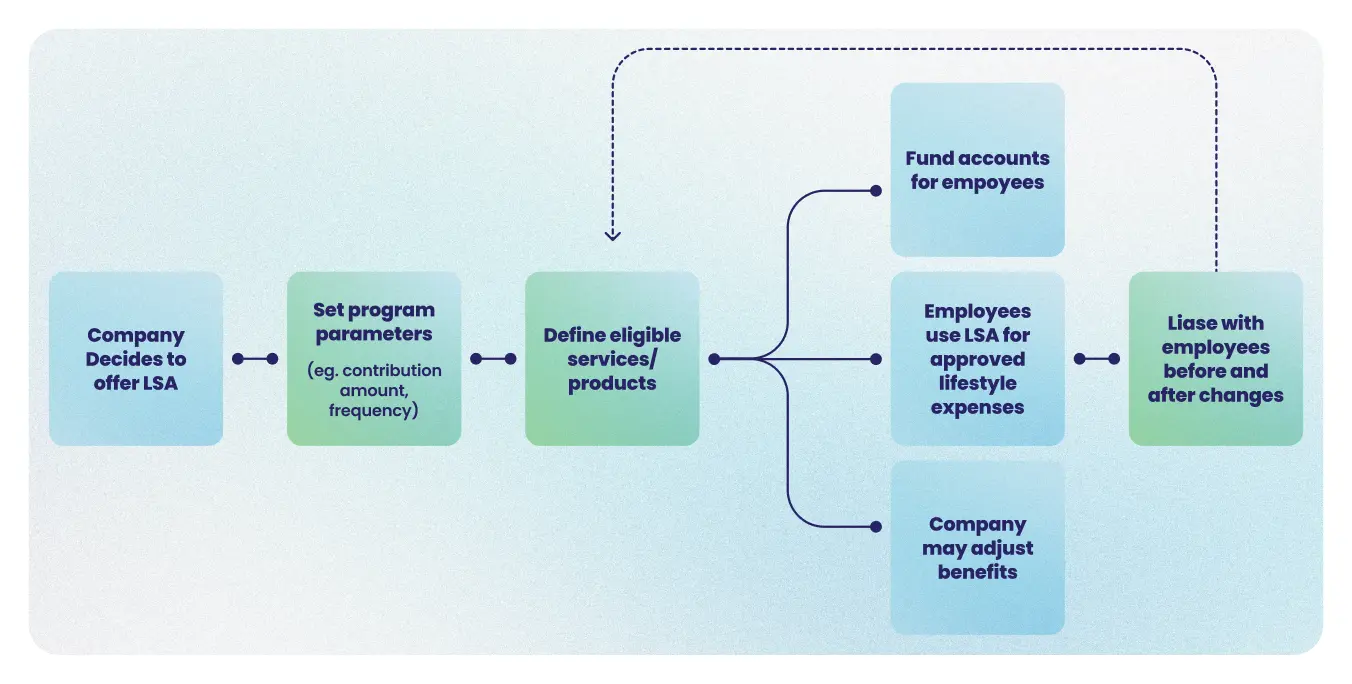
It’s also up to the company when unused funds will expire. Some will opt for a “use it or lose it” system, which returns unspent money to the company every month or quarter. However, it can be more beneficial in the long run to allow funds to roll over for several months. After all, money spent on LSA benefits contributes to a healthier workforce.
Not all LSA benefits are considered taxable income. The IRS determines that LSA purchases contributing to employee education and training, for example, are a non-taxable benefit. Purely lifestyle-related benefits are likely to be considered taxable income, however, so employees should always be made aware of any applicable taxes they may have to pay.
In addition to influencing income taxes, LSAs can also change how the company pays its expenses. Many firms will be able to declare LSA contributions as a valid business expense, although this should always be discussed with a professional business accountant.
There a broad range of different types of eligible expenses, from wellness expenses to flexible working support. Here are some key categories employers can invest in for their teams.
Maintaining good physical health is essential for overall wellness and improving attendance rates at work. Through LSAs, employees may be able to buy gym memberships, enroll in fitness classes, or download chargeable workout apps. Some companies offer wellness programs that include nutrition advice, supportive movements for disabled people, or practical strategies for incorporating exercise into busy routines.
Mental health is just as critical as physical wellness for holistic well-being. Stress and burnout are major contributors to workplace absence and 77% of employees report experiencing workplace-related stress. Effective wellness programs available via LSAs may include online talk therapy, emotional wellness training, and access to mindfulness and meditation apps.
One of the biggest contributors to job satisfaction is an effective work-life balance. Through LSAs, employees might be able to book child care specialists, invest in improved elder care for parents or grandparents, or even look at pet care services, such as dog walkers.
Professional development encourages employees to stay with a company, particularly when they can see a clear career trajectory. LSAs may offer options for continuing education courses or personal development classes, helping individuals achieve vocational goals.
Feeling confident with money can remove significant stress from someone’s life. Providing resources via LSAs to improve financial wellness, such as assistance with income taxes or savings, can support employees in multiple ways.
Offering the option to work remotely may improve employee work-life balance and reduce stress. Relevant benefits via a lifestyle spending account could include the option to purchase improved home office equipment, a new cell phone, or audio tools like noise-cancelling headphones for employees working in loud environments.
Offering LSA benefits helps support employees while strengthening your current benefits package and making it more attractive to prospective candidates. Lifestyle benefits are something you can advertise to help make roles compelling to top talent, drawing in the best employees while you retain talent you already have.
You should also find that employee engagement improves, as individuals can focus on their roles better by addressing wellness and personal challenges head-on. Fringe benefits include an improved reputation for your company as news spreads about the fantastic benefits you’re giving employees.
Of course, like all benefits, LSAs come with some challenges. Many employees may balk at the fact that LSA funds are usually considered taxable income. Employers can head off these objections by highlighting the fact that LSA-funded services, although a taxable benefit, will save employees money in other areas of their lives. Promoting the long-term benefits of improved wellness can help, too.
A tax professional can help you explain the impact of LSAs on income taxes to your teams, as well as aid you in understanding the applicable taxes for your company.
Other considerations include making sure employees understand what to do to avoid leaving unused funds behind. Someone who misses out on their benefits, because they weren’t reminded to log in and check their fund, could become resentful. Keep open communication around the timescales for using money within the LSAs.
Launching any new benefits program isn't something you have to do alone. Work with a trusted third party to launch an LSA program that appeals to employees and candidates while offering value to your company. Consider what program parameters you’ll choose, such as how much and how often you’ll pay into the funds. Remember to pick benefit offerings that matter to your teams — you could use surveys and polls to inform these decisions.
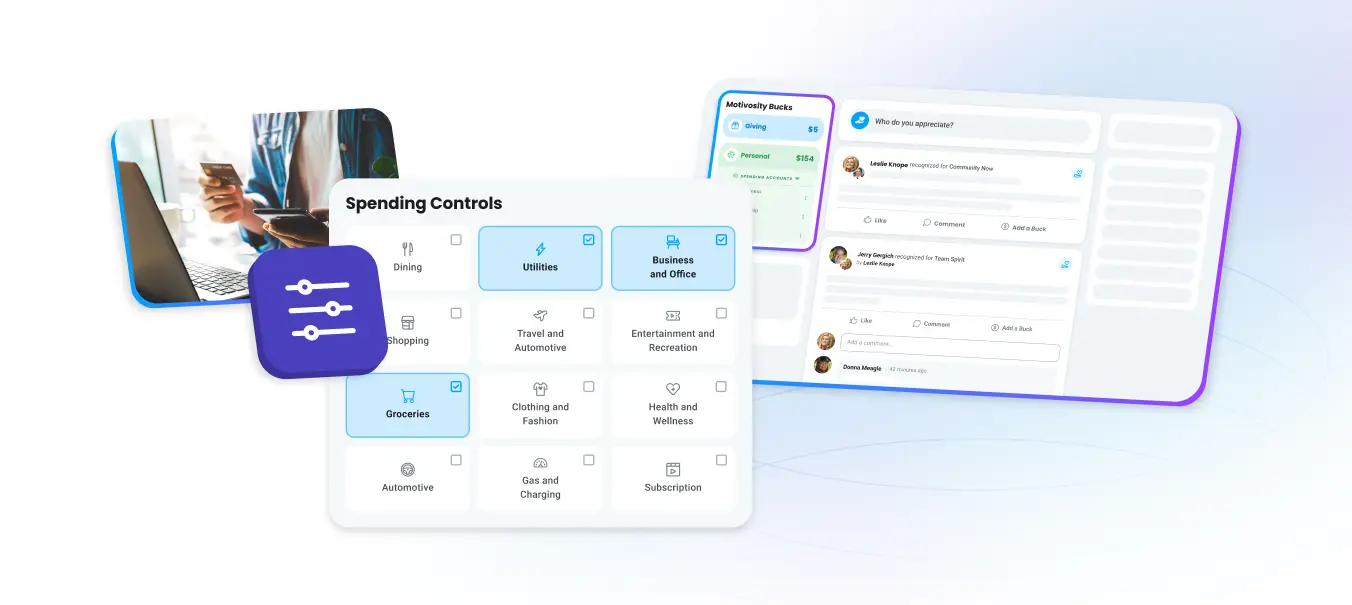
A lifestyle spending account should enhance your overall benefits package, so check you’re not offering products or services already included as standard. The LSA should support employees by helping them improve their work-life balance, achieve more in their careers, or raise their overall level of wellness. Additionally, expenses like gym memberships, physiotherapy, or counseling become company-funded, taking some strain away from your employees. In this way, LSA funds contribute to organizational success by creating a motivated, healthy workforce loyal to your company.
LSAs contribute to a modern, supportive workplace driven by your corporate culture and values. They allow employees to choose the benefits that are most important to them, whether that be tools to improve work-life balance or wellness-specific purchases such as a bespoke nutrition plan. Healthier, happier employees work harder, have fewer sick days, and spread the word that your company is a great place to work.
With 70% of businesses considering adding lifestyle spending instead of alternative flexible spending accounts to their benefits packages, now might be the time to evaluate your current offerings.
Talk to the experts at Motivosity for more ideas surrounding employee rewards and ways to support employees across your organization.