

Losing your best people is expensive — replacing a single employee costs between 30–50% of their annual salary, and that's before you account for the morale hit on everyone left behind. Retaining top performers isn't about luck; it's about building the kind of culture, feedback loops, and recognition habits that make great people want to stay. These five strategies give HR leaders and managers a practical framework to start with.
Key Takeaways:
Retaining high performers in your company is never easy... But not impossible! If you’re interested in learning how to develop techniques or tactics that will help you retain your superstars, this article is for you!
Staff turnover actually can benefit a company since it introduces new ideas, approaches, and enthusiasm. However, to reap the benefits of your investment in the greatest people, you’ve GOT to have a strategy to retain them long-term.
A high turnover rate is not only costly to your company, but it can also harm your reputation. Potential employees and recruiters may be concerned about working conditions, leadership, and poor culture causing employees to leave the organization. Turnover has a negative impact on employee morale and can lead to you saying “adieu” to some of your highest performers.
It's critical to try to understand and address the reasons why people quit their jobs. It's possible that more appealing positions exist somewhere else or that personal circumstances change...and you can’t do much about that. BUT!!! That doesn’t mean you can’t be proactive to identify reasons why your employees leave and make changes, if necessary, to make your company that much better.
So, here are five secrets for you to retain high performers and make your company ‘the place to be.’
It can be hard to find the right people to join your team, especially when you need to make sure they'll fit in with your culture. You should also make sure that they understand and represent your company values. The work environment you present to potential applicants should accurately reflect your culture. You should look for employees that appreciate and want to be a part of your culture—so make sure they understand expectations and what it’s really like before they accept the job.
When you're interviewing candidates, pay attention to the details and read between the lines. Be on the lookout for signals that someone may be job-hopping. It's not a bad thing; sometimes people make transitions to progress their careers and gain experience. Just make sure you find someone interested in what you're trying to do and who is devoted to helping your company flourish...not just the title.

To find the right people, make sure you write an accurate job description of what the role is about. List the skills and relevant experience needed for that position. It’s also a really good idea (like, a REALLY good idea) to talk about the company culture so you’re setting the right expectations.
When it comes to hiring, we know you probably prefer people who already have certificates or experience in the position you’re filling. While this is definitely beneficial, make sure you provide opportunities for continued learning; meaning, no matter how good they are at what they do, job training is still required. You can teach your employees in a lot of different ways, including sending them to coding bootcamps, providing e-learning, or hiring in-house trainers.
Employees should receive feedback on a regular basis. One-on-one’s and coaching sessions are a great way to give regular feedback on an employee's performance that is mutually beneficial. If a person feels ignored and unloved at work, they are more inclined to pack up their stuff and head out. Other than this, offering career advice to your employees gives them a better understanding of their position in the company and where the future will take them.
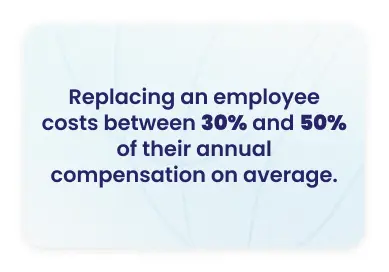
When budgets are tight, it might be difficult to give competitive pay. When you factor in the costs of replacing personnel, such as agency fees, marketing, training, and other resources, you may find that paying a higher salary saves you money. Replacing an employee costs between 30 and 50 percent of their annual compensation on average. Jumping ship for more money might be appealing to practically anyone, including those who enjoy their current job, so fixing this problem by paying a good starting salary with room for regular salary reviews will help.
All in all...employees just want to feel appreciated and love being engaged within the organization. When you implement these five secrets for companies to hire and retain top performers, we have no doubt you’ll be wearing the I-Saved-Money-and-Hired-Great-People cape year-round.