
Connection at work doesn't happen by accident. Just like a great campaign, it takes real intention behind every move. I run demand gen, not HR, but here's what years of chasing a stranger's attention has taught me: your employees already give you their attention every single day, and most companies don't do anything with it. Employee connection is what happens when you actually use that attention for good. Give it an owner, a rhythm, and a way to measure it. Then you'll actually know if people feel seen, instead of just hoping they do.
Key Takeaways
Connection gets cut first whenever budgets get tight, because it reads as soft. That’s a mistake. When people feel disconnected, they leave faster, they refer fewer friends, and they check out of the work long before they hand in notice. When they feel connected, the opposite happens, and you can watch it in your own first-year retention.
Here's the part that should get a CFO's attention: Gallup's 2026 State of the Global Workplace report puts the cost of low engagement at roughly $10 trillion a year in lost productivity, about 9% of global GDP. Only one in five employees worldwide is actually engaged. Connection is one of the cheapest levers you have to move that number, and most companies leave it sitting on the floor.
So treat connection as a lever you can actually pull, not a mood you hope shows up. The good news is that it responds to effort. The bad news is that most companies put zero effort into it on purpose and a lot of effort into it by accident.
Quit guessing what people want from your culture program. They're not logging in for the gift card. Underneath every recognition feature and every connection ritual, there's one question running on a loop in your employees' heads:
"Do I feel seen and valued here?"
That's the job. Functionally, people want their work noticed by someone who matters to them. Emotionally, they want to feel like more than a seat. Socially, they want to work somewhere they'd actually recommend to a friend. A culture program that answers yes to that question is the one that sticks. A program that hands out anonymous top-down points feels hollow, and people fire it within a month.
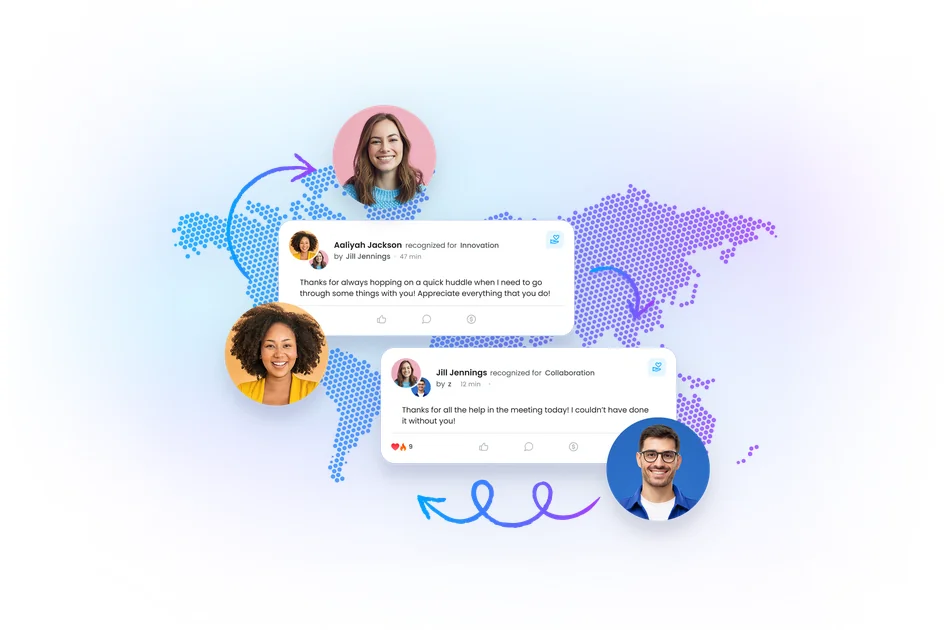
This is where most rollouts go sideways. Leaders buy a recognition tool and assume the software does the connecting. The software doesn't. People connect people. The platform just makes it visible, consistent, and hard to forget on a busy week.
Here's the part I didn't expect to learn from the demand gen seat. The rules I use to earn a buyer's trust are the same rules that build connection inside a company.
In marketing you can't buy attention once and call it done. You show up consistently, in the channel where your audience already is, with something worth their time. Do it for months and trust compounds. Skip a quarter and it evaporates. Connection at work runs on the exact same physics.
So steal the playbook:
Pick the channel people already live in. Your frontline and deskless teams aren't reading the all-hands email. Meet them where they are. A social platform that lives on their phone beats a newsletter they never open.
Be consistent, not loud. One huge appreciation event a year does less than thirty seconds of genuine recognition every week. Cadence beats spectacle every time. One huge event each year won't sustain a culture. It's like watering your lawn. It's gotta happen regularly.
Make it easy to act. If saying thanks takes six clicks, nobody does it. Cut the friction. The whole game is removing reasons not to connect.
Connection that's left to chance only reaches the people who were already connected. Put a structure around it and it reaches everyone. Here's the version I'd run if I were standing it up from scratch.
None of these are expensive. All of them are a choice.
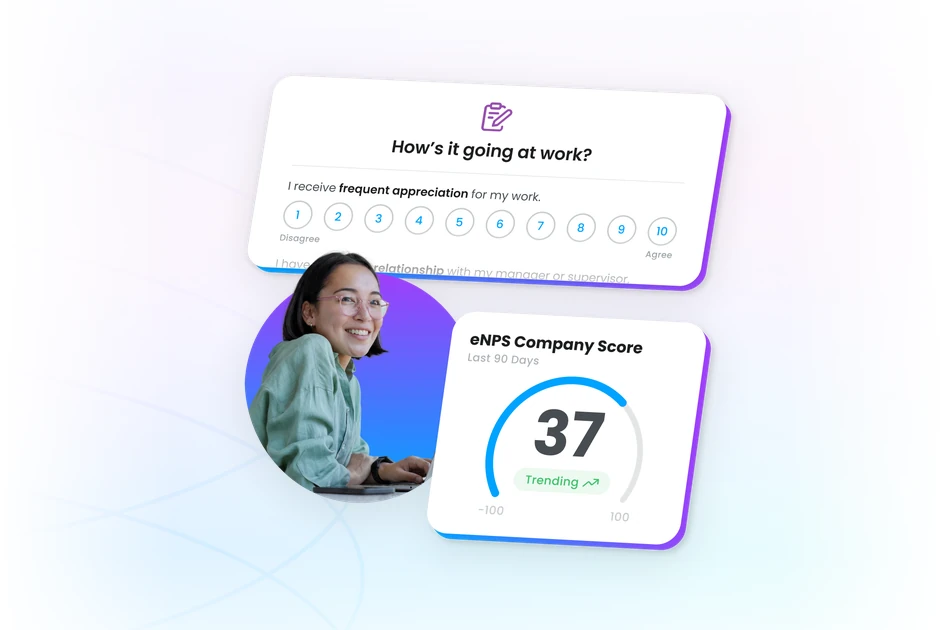
If you can't see connection, you can't defend the budget for it. So measure it, just don't turn it into a chore.
Run a short pulse survey on a regular cadence and watch the trend, not the single score. Pair it with a couple of behavior signals you already have: how many people are actively recognizing each other, how that spreads across teams, and whether your newest hires are getting pulled into the network in their first month. Those three tell you more than a sprawling annual engagement survey ever will, and you get the read in time to do something about it.
When the number moves, you'll know which of the five moves above did the work. That's the fail-fast loop. Try, watch, adjust, keep what works.
If you want to build this on purpose instead of hoping it shows up, here's where to start: