Are thank you cards necessary? No. Are they one of the most effective, lowest-effort recognition tools you have? Also yes. A five-minute note costs almost nothing and can outlast a bonus in someone's memory, but only if it's specific and it's timely. This article covers when a thank you card works, when it doesn't, what to actually write, and how to build the habit into a recognition culture that scales past your own memory.
Key Takeaways
No, not necessary. A company can run without them. But "necessary" is the wrong bar. The better question is whether they work, and the answer there is yes, more than most recognition tactics that cost actual budget.
Part of why they work is how little friction they have. There's no approval chain, no reward catalog, no manager training required to write one. That simplicity is exactly why the good ones happen consistently and the complicated programs don't. Think of a thank you card as one tool in a broader recognition strategy, not the whole strategy. The rest of this article is about when to reach for it, and how to write one that actually lands.
Recognition is inconsistent almost everywhere. Some weeks a manager remembers to say something. Most weeks, nobody does. Against that backdrop, a small, specific gesture stands out more than a big one you only get once a year.
Gallup's research on low-cost, high-impact recognition backs this up directly: only about one in three US workers strongly agree they received recognition or praise for good work in the past seven days, and employees who don't feel adequately recognized are roughly twice as likely to say they'll quit in the next year. The same research found the most memorable recognition comes from a direct manager 28% of the time, more than from a senior leader, a peer, or a customer.
A handwritten note takes effort a Slack emoji doesn't. That effort is the signal. It tells someone their work was worth five minutes of someone else's time, which is a small thing that adds up to real employee engagement when it happens consistently.
"Thanks for your hard work" could be sent to anyone on the team, which is exactly the problem. It doesn't tell the person what they did or why it mattered, so it doesn't really land.
Here's a real example of the opposite problem, and it comes up constantly in recognition research: generic team shoutouts like "Great job, team!" get flagged again and again as the kind of message that reads as hollow, because it could apply to any team on any day. When someone spends extra hours to hit a deadline and gets a copy-paste thank-you in return, the message often lands as the opposite of appreciation. It can make people less likely to go the extra mile next time, not more.
Name the actual thing: the deadline they hit, the client they saved, the teammate they covered for. Specific beats warm every time.
A thank you note two weeks late has already lost most of its power. Recognition works best close to the moment of impact, before the memory fades for both of you.
This is where a lot of managers get stuck. They wait for the "right" occasion, a fancier card, a quiet moment to write something polished, and the moment passes. A rushed, honest note today beats a perfect one next month. If you want recognition to actually land in the moment, pair the card with a quick personalized shoutout the same day, then let the card follow.
A card that references something specific to the person, a growth area, a strength, a running joke on the team, reads completely differently than one that could have been copy-pasted from a template. The generic version gets read once and forgotten. The personal one gets kept.
Some employees want their moment in front of the whole team. Others would rather get a quiet note at their desk and call it done. Neither is wrong. Pair a private card with a public recognition post when the person's comfortable with it, and let the ones who aren't opt for something quieter.
Katie Burke, HubSpot's longtime chief people officer, has talked publicly about carrying a stack of handwritten thank you notes in her suitcase every time she visits one of the company's offices, so she can write one on the spot for someone who went out of their way to help a teammate. In her piece for Inc., she calls it one of the cheapest, fastest tools a leader has, and the impact has nothing to do with the cost.
It's not a new idea, either. In "Influence," Robert Cialdini tells the story of Joe Girard, once recognized as the most successful car salesman in the world, who sent handwritten notes to every client he'd ever sold to. A short note with genuine effort behind it builds a kind of loyalty a form email never will, whether the relationship is a customer or a coworker.
Handwritten notes earn their keep at high-impact moments: a big milestone, a major save, a promotion. They signal that someone chose to slow down and put in extra effort for this person, specifically.
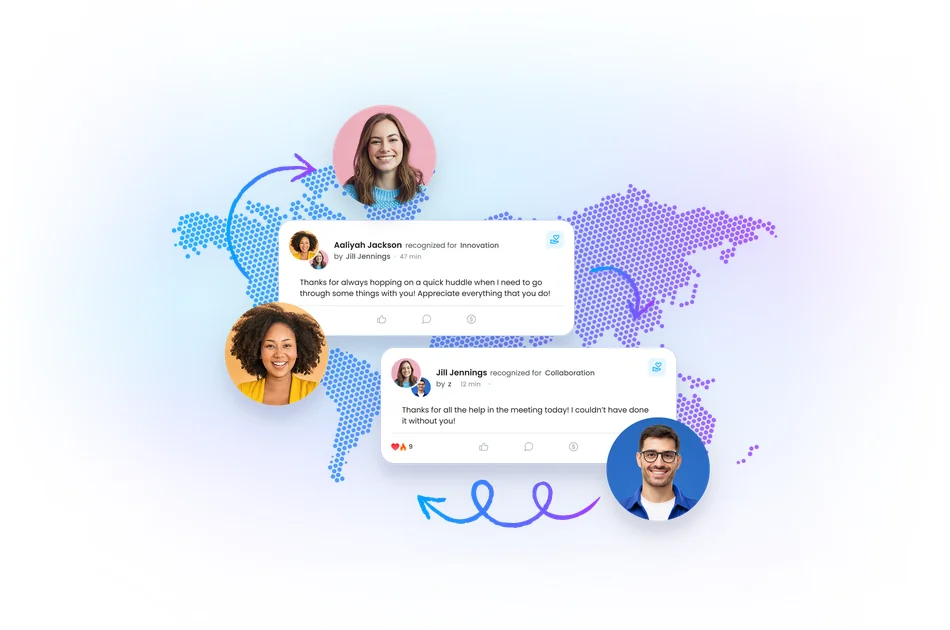
Handwritten doesn't scale to a Tuesday afternoon shoutout, and it shouldn't have to. For fast-moving teams, remote and distributed employees, or the kind of light, frequent recognition that should happen weekly, digital wins on speed. The goal isn't to replace the card. It's to make sure recognition doesn't wait for a card to happen at all.
Say exactly what the person did. Not "thanks for everything," but the actual thing: the deck they rebuilt overnight, the onboarding doc they wrote that the whole team still uses.
Connect what they did to what it actually changed, for the team, the client, or the company. That's the part that makes someone feel like their work mattered beyond the task itself.
Skip the formal tone. Write it the way you'd actually say it out loud to them. Two honest sentences beat a paragraph that sounds like a certificate.
Mention something true to that person: how they've grown, how they show up for the team, a detail that proves you were paying attention and not just filling in a template.
Managers see the day-to-day work up close, which puts them in the best position to recognize it. They don't need a rigid script, just a nudge to make it a habit instead of an occasional gesture.
Recognition shouldn't only flow downward. Peer-to-peer recognition often feels more genuine, because it comes from someone who actually saw the work happen, not just someone reviewing a summary of it.
The simplest version of this wins. A repeatable habit beats an elaborate program that collapses the first time someone's busy. Keep the process light enough that people actually keep doing it.
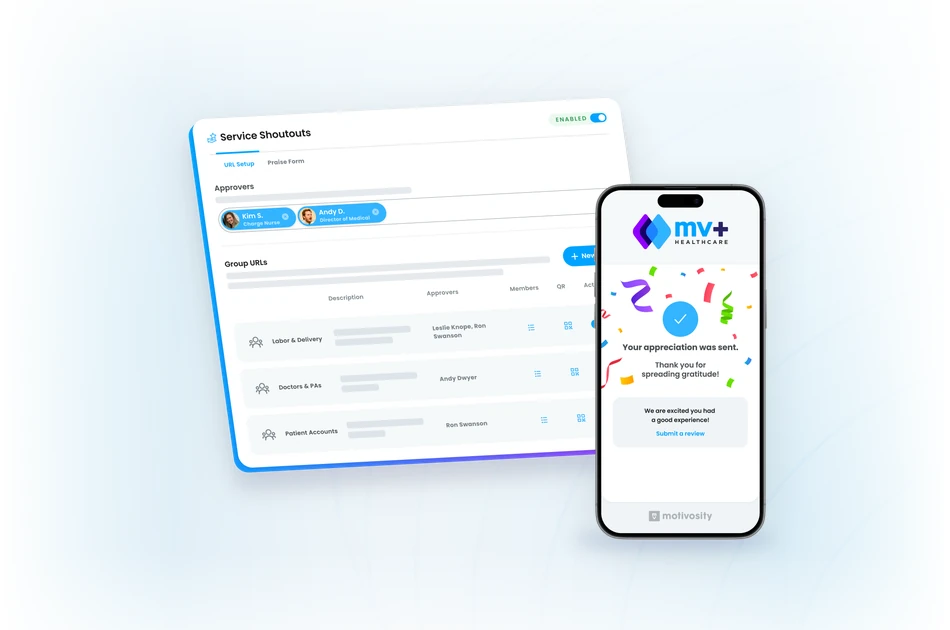
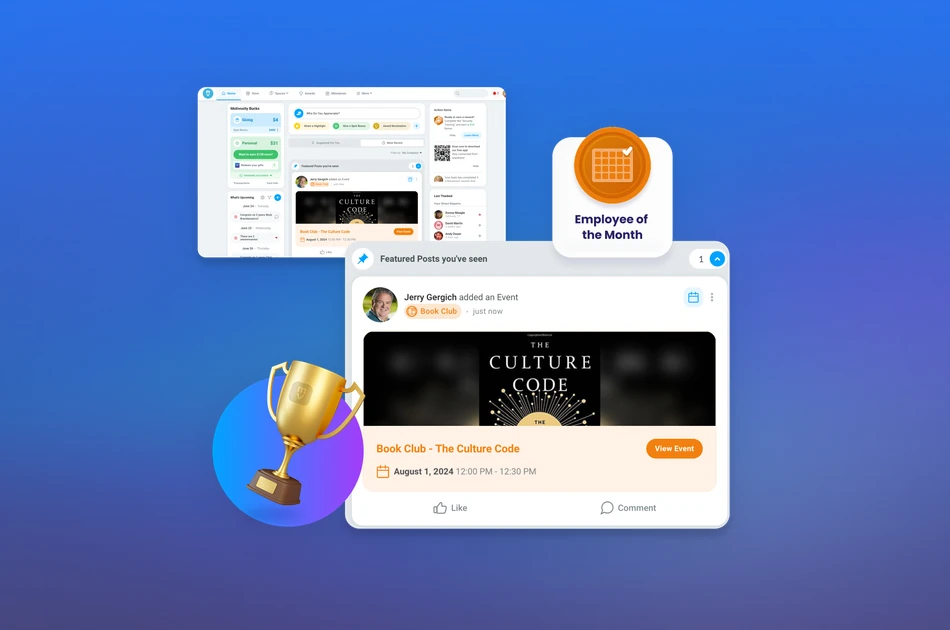
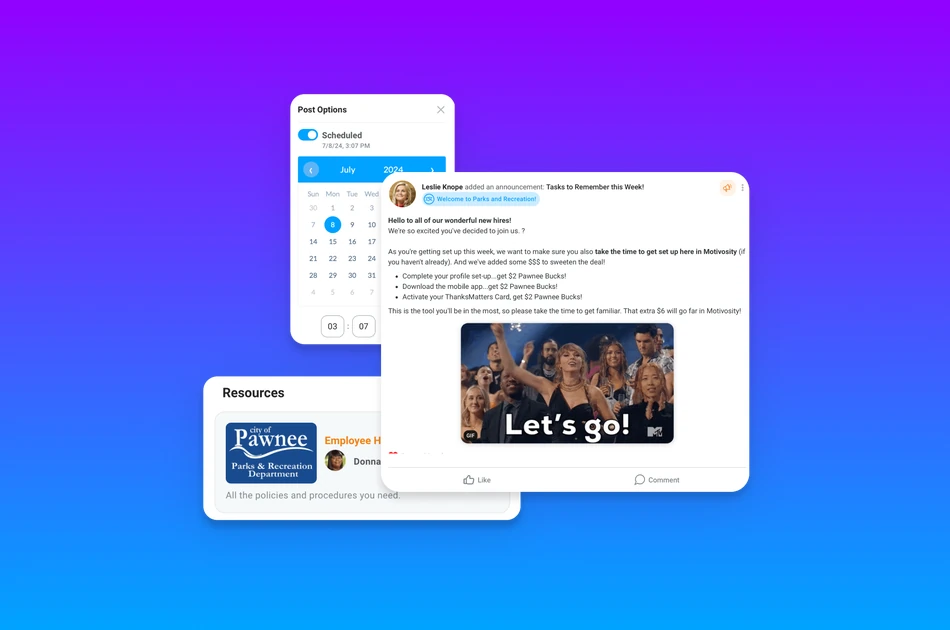
A thank you card is a great instinct. The hard part is making that instinct happen for every employee, not just the ones a manager happens to think of that week. Motivosity's employee recognition platform takes the same idea behind a good handwritten note, specific, timely, personal, and makes it easy for managers and peers to do it every day, not just when someone remembers.
Not strictly, but they're one of the simplest and most effective ways to deliver recognition that actually feels personal.
Yes. Employees consistently say handwritten notes feel more personal, specific, and intentional than a digital equivalent, especially for bigger moments.
Name the specific contribution and its impact. Skip the generic praise; specificity is what makes the message feel earned instead of routine.
They can be, especially when they're timely and specific. Handwritten notes still tend to feel more personal, but a fast, genuine digital note beats a slow, polished card almost every time.