Healthcare employee retention has become a major operational challenge. Healthcare positions experience high turnover rates, and the 2026 NSI National Health Care Retention & RN Staffing Report found that 94.9% of hospital turnover in 2025 was voluntary.
Healthcare employees take new positions or leave the field in the face of operational challenges such as staffing shortages and burnout. Both of those challenges get worse when higher turnover rates combine with rising turnover costs.
Employee engagement in healthcare through employee retention strategies can lower costs and alleviate employee stressors that destabilize the workforce. This article provides practical strategies healthcare leaders can implement consistently to improve employee turnover rates.
Key Takeaways
Healthcare employee retention affects operational and financial costs as well as patient safety. Each employee who leaves takes with them institutional knowledge and existing patient relationships. Add to that the instability caused by the additional workload and lessening of team cohesion, and teams fall deeper into burnout, which can cause more turnover.
Retention also affects business decisions beyond human resources. According to the NSI study, it cost an average of $60,090 in 2025 to replace a hospital RN, and hospitals lost an average of $5.19 million in 2025. In addition, patient care for those who need consistent caregiving for chronic conditions or complex needs is negatively affected when workers churn. The loss of knowledge and stability that consistent care requires puts lives, quality metrics, and patient satisfaction scores at risk.
By improving employee retention, healthcare companies could redirect much of these resources to further staffing, technology, or patient care needs.
Many drivers of employee turnover are preventable. They connect directly to the day-to-day experience of employees and often extend beyond compensation. People leave when they begin to question whether how they are treated, how much they are asked to manage, and whether they feel supported and valued is worth the money they take home.
By improving workplace culture and leadership support, healthcare leaders can often save on unnecessary compensation line items while improving the quality of care and workplace happiness.
Burnout and emotional exhaustion happen when stressors compound without relief, and long shifts, emotional labor, and continued staffing shortages contribute to this state. A 2023 study on the aftermath of the COVID-19 pandemic found that around 50% of healthcare workers across both clinical and admin positions reported feeling burnout.
Employees who manage high-stakes work and staffing shortages at the same time are at high risk of burnout. If leadership cannot address these problems at their root cause, the likelihood of resignation rises significantly.
Healthcare work is emotionally and physically demanding. Without recognition from leaders and managers, employees disengage because they don’t feel seen. While formal rewards for work can help, they’re often a temporary fix. Timely, specific, and meaningful appreciation of everyday work can make a greater impact on overall wellbeing and reduce attrition rates.
Rigid schedules and a lack of education or advancement opportunities can make healthcare employees feel stuck in their position without hope of a break or a change. Medical staff often have little control over their shifts.
That makes managing the day-to-day needs of adult and family life even more difficult, putting pressure on days off to be productive instead of restful. When employees have no flexibility and no clear opportunities for career growth, they begin to look for positions elsewhere that may provide those options.
These strategies can help you integrate employee retention into your workplace culture.
Employee recognition is perhaps one of the most valuable but most underused retention strategies for healthcare companies. To work, it needs to happen both formally and informally.
Your organization probably already engages in formal recognition with yearly rewards, bonuses, and service milestones. But consistent, timely, and visible recognition that addresses actual work done by the employee works better for building retention.
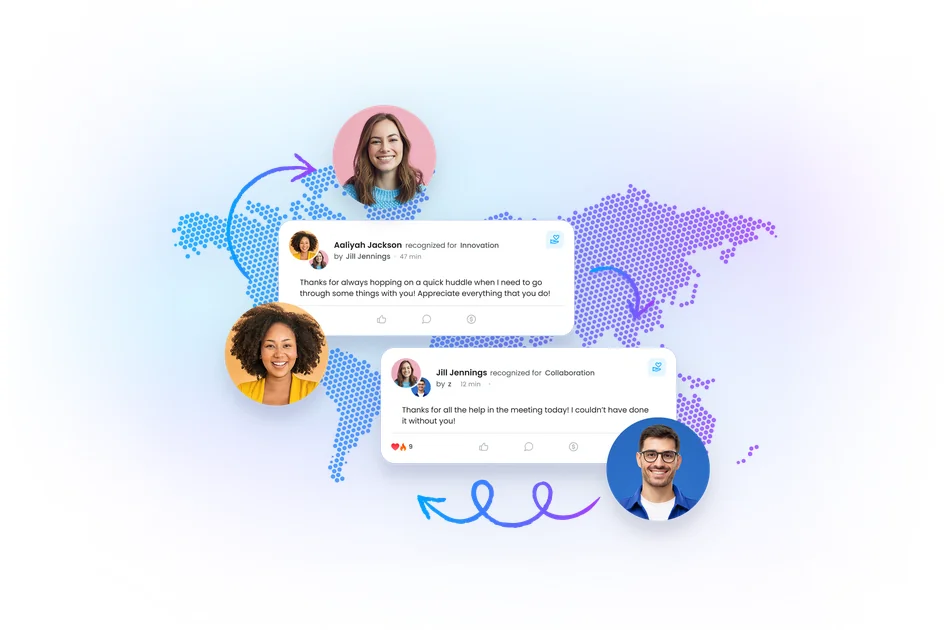
Build a culture of employee recognition by promoting and practicing peer recognition, manager recognition, and real-time appreciation. Try these ideas:
Adding these to daily team and individual interactions builds trust and improves morale. It also increases engagement, as everyone feels supported and the team becomes stronger.
Organizations committed to burnout reduction must identify and remediate the root causes. Examine staffing ratios, shift lengths, and mandatory overtime policies.
Consider how these policies affect current employees, and analyze the cost-benefit of implementing measures that decrease workload stress versus the cost of replacing burnt-out employees.
Float pools, per diem staffing, and predictable scheduling can reduce burnout without significantly increasing staffing costs. Pair these with more conventional fixes like increased hiring, task reallocation, and temporary support.
Make the goal that every employee enjoys a sustainable workload. That way, you can reduce turnover caused by the emotional fatigue of constant crisis mode.
Manager-to-employee communication and support are critical to employee retention. Managers have a front-row view of an employee’s needs and frustrations and are often the only leadership contact they have.
Healthcare organizations can strengthen the manager-to-employee relationship by providing management training to improve skills, enabling consistent and timely feedback, and implementing check-ins.
Effective healthcare managers:
Employee engagement software can provide a dedicated space for employees to communicate in structured and unstructured formats. Most employees don’t leave a tough job, but they leave a bad manager.
Many healthcare leaders hear flexible scheduling and picture a total breakdown of clinical structure and a collapse of the organization as a whole. In fact, providing flexible scheduling options is a far cry from total chaos. By giving staff meaningful input into their schedules when it makes sense, employees gain back a bit of control that can ease stress. Consider ideas like:
Again, the idea isn’t to allow anyone to work any time they want. The idea is to build systems that allow individuals to improve their work-life balance. Making schedules flexible enough for employees to take a loved one to a doctor’s appointment or attend their kid’s basketball game will support retention because employees don’t have to choose between their work and the rest of their lives.
Healthcare workers want growth in their roles. If you can’t provide it, someone else will. When staff see that the organization has invested in clear advancement pathways, they’re more likely to stick around and see if they can follow them.
Employees who want to learn more about their profession invest in themselves. Organizations can join them in that investment. Consider adding opportunities such as:
Employee wellbeing initiatives can act as an employee retention infrastructure, especially when the program addresses all facets of employee health. In addition to standard health insurance and perks, an investment in mental health support can provide employees with stress-reduction strategies. It can also give them the tools to process trauma, grief, and other emotional stressors.
Wellness programs can promote healthy living with tangible benefits beyond the gym. Consider adequate break time, access to healthy food during long shifts, ergonomic equipment, and reserved recovery time for night shifts to protect the physical wellbeing of employees.
When employees feel their organization takes their wellbeing seriously, they feel loyalty that translates into reduced turnover. Investing in these programs early can prevent burnout from even starting.
Healthcare thrives on teamwork. However, those same pressures that require teamwork can make healthcare workers feel isolated. Nurses can feel disconnected from their team, new hires may have trouble building relationships, and night workers can feel disconnected from leadership due to scheduling.
Without consistent efforts to bring people together, those isolated employees will likely look for another position where they feel connected.
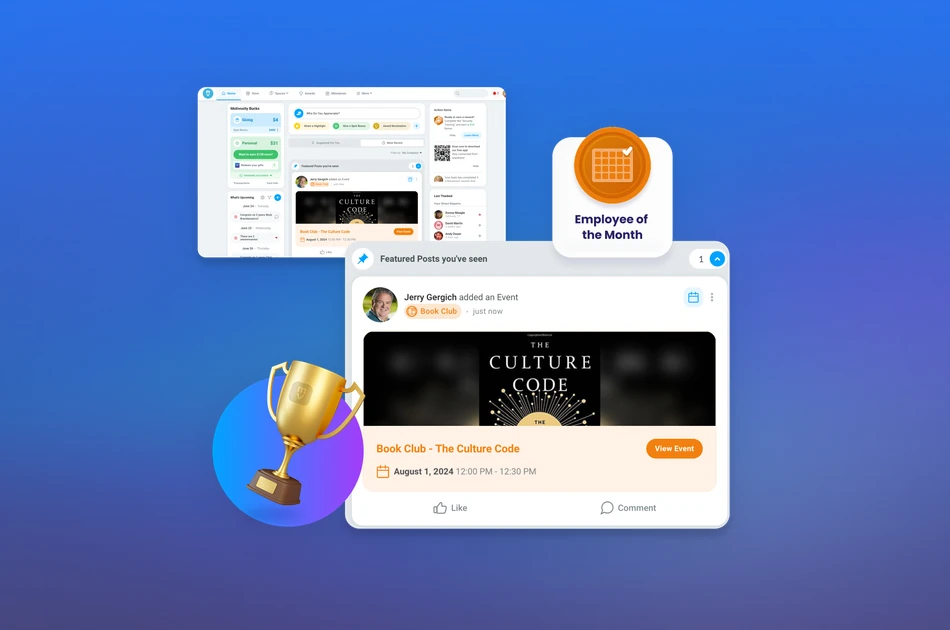
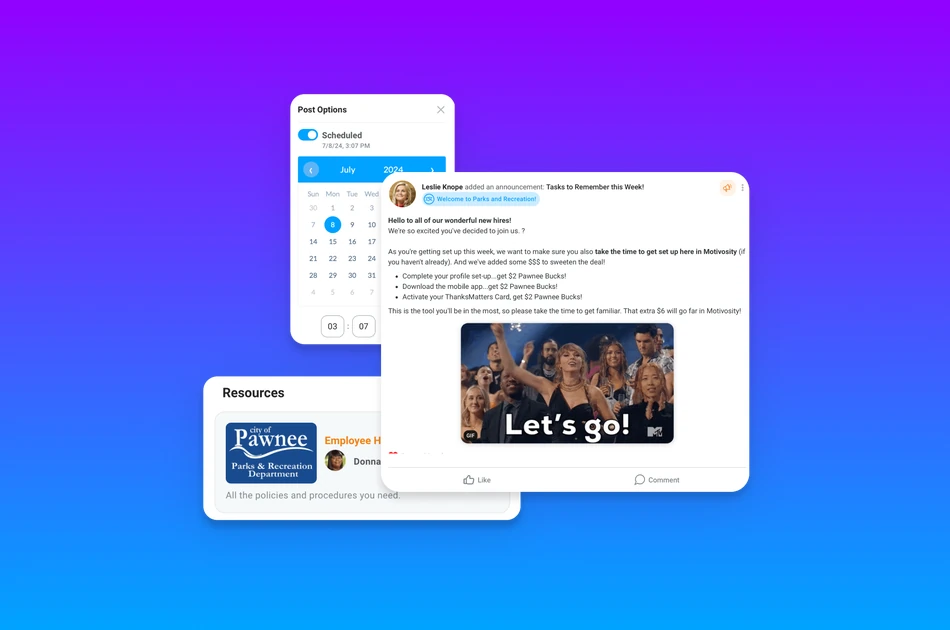
A culture of belonging begins at onboarding and should be supported by the entire organization. Take the first 90 days to make new hires feel connected, and introduce team members to recognition methods that keep that feeling alive like:
By making appreciation and recognition of contributions visible and part of the work culture, support becomes a natural extension of working as a team.
Employee recognition is key to healthcare retention because it’s a cultural change that addresses the gap between what employees need and what they actually receive in most workplaces.
When you get recognition right, employees feel the difference. Leadership will be able to see the results in team morale, employee engagement scores, and reduced turnover.
The most effective recognition is timely, specific, and personal. Train managers and employees on meaningful recognition to build connections. Timely recognition happens within the same shift as the event. Specific recognition doesn’t give a generic “good job this week.” Instead, it pinpoints actual events. Personal recognition shows how the individual made an impact.
Put these together, and an employee knows they managed the diagnosis conversation in a tricky setting exceptionally well, rather than just hearing they did well.
Feedback from peers, in addition to management, is especially useful for driving connections among teams. A culture of frequent and public recognition builds trust, a sense of shared purpose, and psychological safety.
Coach teams and managers on recognition tactics like:
A dedicated employee recognition software can help healthcare companies build a culture of recognition at scale. The right software serves all healthcare organization employees equally, whether on the front lines or in the back office.
Even well-intentioned healthcare organizations can make retention mistakes when focused on patient care or administrative goals. Avoid falling into these traps as you build a culture of community and connection:
We’ve provided you with many strategies to improve retention, but they only work if you implement them consistently, at scale, and with attention to the needs of the employees.
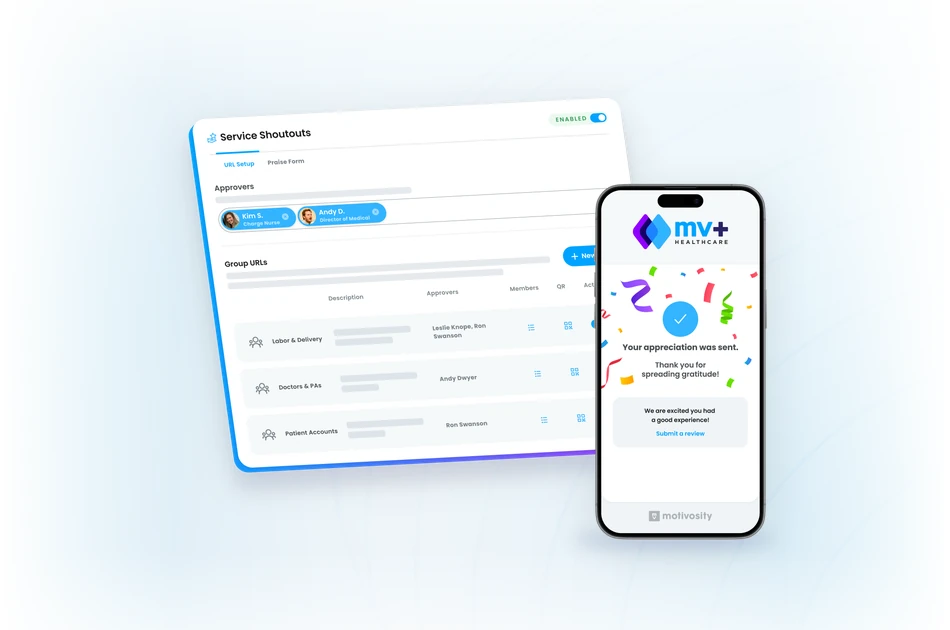
Motivosity helps healthcare organizations create visible, meaningful employee recognition experiences that scale across departments, shifts, and facilities. We centralize peer recognition, manager-led appreciation, milestone celebrations, and cultural visibility in one platform to make it easy for every employee to feel connected and valued.
Learn more about how Motivosity can improve employee engagement in your healthcare organization today.