Key Takeaways
Work anniversaries mark the date someone joined your company. Celebrating work anniversaries shows your employees that their time, growth, and impact still count. That kind of recognition shapes morale, a sense of belonging, and, more importantly, retention.
In Motivosity’s 2026 State of Workplace Culture Report, 83% of respondents said culture and people are the main reasons they stay. That's a strong reminder that employee milestones deserve more than a calendar alert.
This article shares 15 practical ideas that work across milestone years, budgets, and team setups, including in-office, remote, and hybrid teams.
A work anniversary is more than a date on the calendar. It's a clear chance to show someone that their time with your company has mattered.
When that moment is ignored, employees notice. Silence can make even strong contributors feel invisible. That feeling adds up over time, especially in busy teams where people already worry their work is getting missed.
Thoughtful anniversary recognition helps in a few ways:
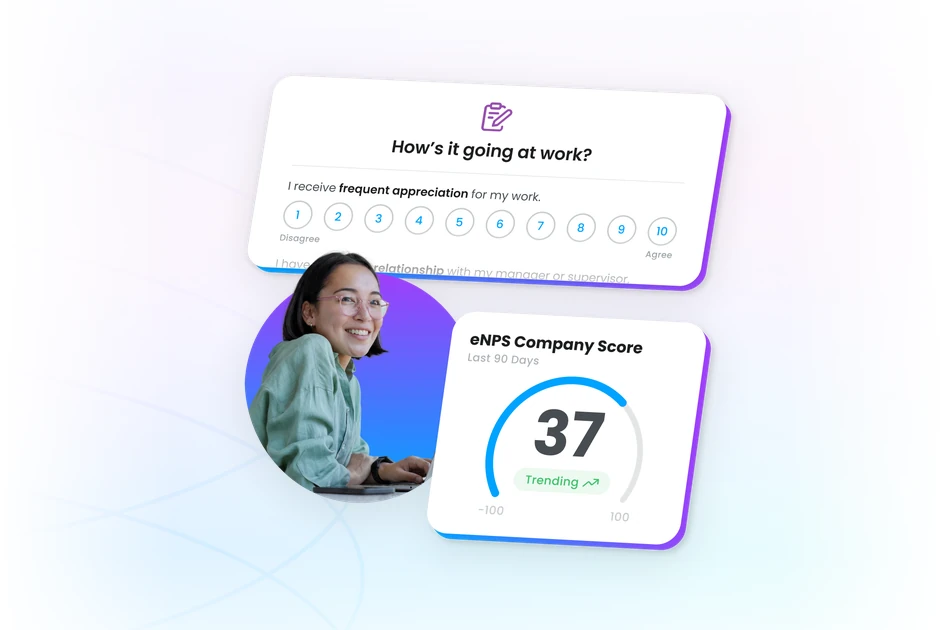
Recognition also affects performance. In Motivosity’s 2026 State of Workplace Culture Report, 37% of employees said they rarely, never, or only infrequently receive meaningful recognition from their direct manager.
That gap is crucial: If employees don't feel seen in normal weeks, milestone moments become even more important.
The best work anniversary celebrations are simple. They're also personal, timely, and easy to repeat across teams.
Most employees don't want a generic gift and a copied message. They want recognition that feels real.
That usually comes down to four elements:
If you start there, your work anniversary celebrations will feel stronger right away.
Recognition means more when it sounds like it was written for one person rather than ten.
“Happy anniversary” is fine. A message that names specific contributions is better. Mention:
That kind of message feels earned.
Personalized recognition also helps employees connect the milestone to their actual impact. That makes the moment more meaningful for them and more useful for everyone who sees it.
Relevance matters more than cost.
Some employees love a public shoutout. Others would rather have a quiet note, an experience, or a flexible reward they can choose themselves. That's why work anniversary ideas should leave room for choice.
Good options include:
When you give people options, the celebration feels more thoughtful.
Public recognition can work very well. It just needs to match the employee.
A team meeting, Slack post, or company feed can make the moment feel bigger and more connected. It also gives peers a way to join in. Still, visibility should never feel forced.
A good rule is simple: make the recognition visible enough to feel meaningful, but never so public that it feels uncomfortable.
These work anniversary ideas are practical, flexible, and easy to repeat. Use them to build recognition moments that feel personal, timely, and meaningful.
Ask the employee’s manager or leader to write a short message that names real contributions. Mention a project, behavior, value, or moment that made a difference. This works for every milestone because it makes the recognition feel earned and personal.
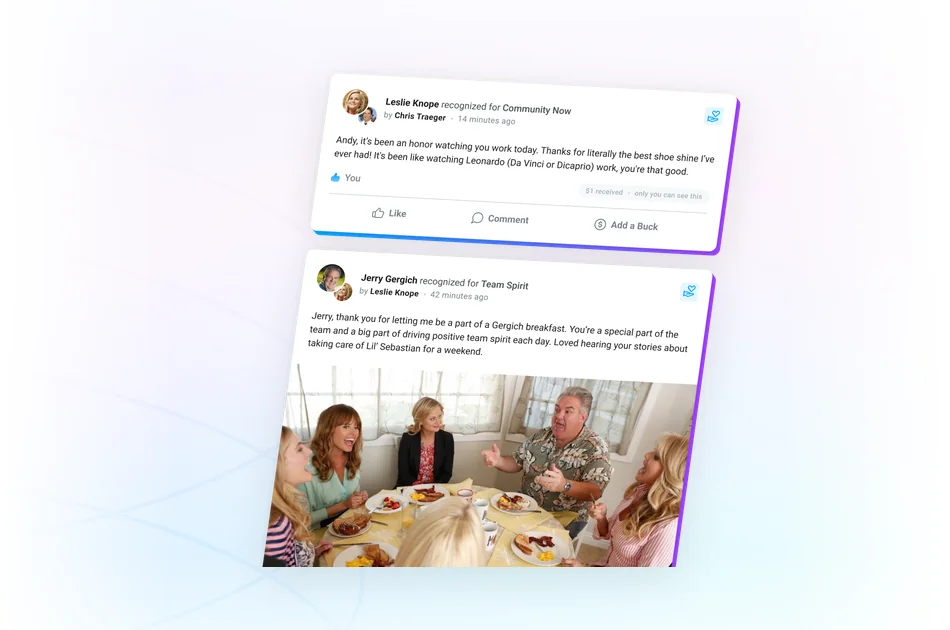
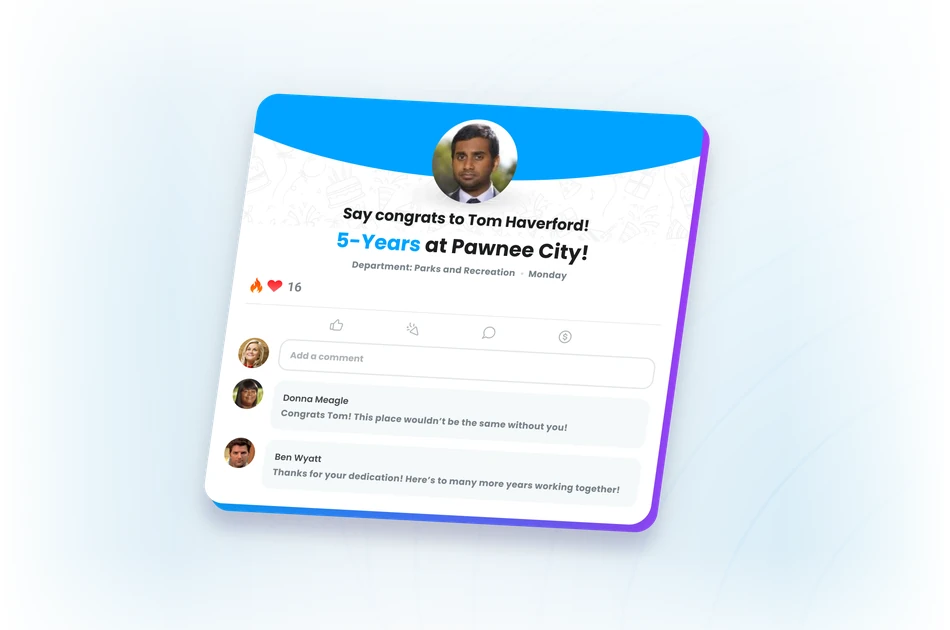
Recognize the employee during a team meeting, in a Slack channel, in a newsletter, or in the company feed. Keep the tone warm and natural. This works best when the employee is comfortable with public appreciation and the message includes specific impact.
Invite teammates to share short notes, memories, or examples of the employee’s impact. Peer recognition makes the celebration feel broader because it comes from the people they work with every day. It also helps employees see how their work supports others across the team.
For more ideas, read our guide on how to celebrate employee milestones.
Add a handwritten note, favorite snacks, team photos, or simple decorations tied to the employee’s personality. This works well for in-office teams and helps the moment feel visible without requiring a large budget. Keep it thoughtful so it feels personal.
Give the employee time with the people they work with most. A lunch, coffee break, or casual team moment can strengthen connection and make the anniversary feel shared. This works especially well for employees who value quality time over gifts.
Choose an experience that matches the employee’s interests, like movie tickets, a cooking class, a local restaurant credit, or a wellness service. Experiences feel more personal when they reflect what someone enjoys outside work. This can improve appreciation without feeling overly formal.
Give the employee a half day, a full day, or a flexible schedule day near their anniversary. Time is useful, personal, and easy to appreciate. This works well for employees who value work-life balance and need space to recharge.
Offer a few reward options instead of guessing what they want. That could include a gift card, donation, experience, wellness stipend, or company swag. Choice makes the celebration more relevant and helps different employees feel recognized in the way they prefer.
Choose a gift tied to the employee’s role, personality, or history with the company. This could be a framed team quote, a favorite book, a custom illustration, or useful branded gear. Custom gifts work best for milestone years where a more personal keepsake makes sense.
Ask teammates to record quick messages of appreciation. Keep each clip short so the final video feels warm and easy to watch. This works well for remote, hybrid, and cross-functional teams because everyone can participate from anywhere.
Donate to a nonprofit or cause that the employee values. Pair it with a short note explaining the gesture. This works best when you know what matters to the employee, or when they choose the organization.
Collect photos, peer notes, project highlights, and favorite team memories in one place. This works especially well for larger milestones, such as five, 10, or 15 years. It serves as a clear reminder to the employee of their impact over time.
Share how the employee has grown since joining the company. Mention new skills, responsibilities, leadership moments, or ways they have helped others. This works well for employees who have expanded their roles or become trusted resources for the team.
Send a package with a handwritten note, snacks, a small gift, or something tied to the employee’s interests. Pair it with a digital shoutout or peer appreciation thread. This helps remote employees feel included in the same recognition experience as everyone else.
Use the anniversary as a moment to invest in the employee’s future. Offer a course, conference pass, coaching session, or growth conversation. This works well for employees who value learning and want to see a future with your company.
Every milestone should be recognized, but not every milestone should look the same.
The right celebration depends on three things: tenure, impact, and employee preference.
Year one is about belonging. It's a chance to reinforce that the employee made the right choice and is already part of the team.
Keep the recognition warm and encouraging. A manager note, team shoutout, and a small reward usually work well.
Years three, five, and 10 often carry more weight. They reflect loyalty, sustained contribution, and deeper relationships.
These moments support more visible recognition, broader peer input, and more flexible rewards. A stronger celebration makes sense here because the milestone means more.
Long-service anniversaries should feel deeper and more personal. This is where legacy, mentorship, and company impact matter.
Use stories, team memories, leadership recognition, or a more meaningful reward. The goal is to honor the employee’s history, not just the date.
Remote employees shouldn't get a smaller version of recognition. They should get a version that fits their workflow.
The strongest remote-friendly ideas include:
For hybrid teams, consistency matters even more. If in-office employees get a visible celebration, remote employees should get the same level of effort and thought.
A good remote work anniversary still feels personal. It still involves the manager. It still gives peers a way to join in. The format may change, but the meaning should not.
Most weak anniversary moments fail for predictable reasons. Common problems include:
The good news is that these are easy to fix. Start by improving timing. Late recognition loses impact fast.
Then, improve specificity. A short message with real detail will always beat a generic paragraph.
Finally, match the moment to the person. Some employees want visibility. Others want something quieter. A better fit makes the celebration feel more thoughtful right away.
Consistency is often the hardest part.
One team remembers every milestone. Another forgets half of them. That gap creates a different employee experience depending on where someone sits.
HR can fix that with a simple structure:
Managers still need room to personalize the moment. That's what makes the recognition feel real. HR’s role is to make sure no one gets missed.
Tip: If you're building a repeatable process, start with what a workiversary is and our guide to employee recognition programs.
Remembering milestones is hard enough. Making them personal across teams and locations is even harder.
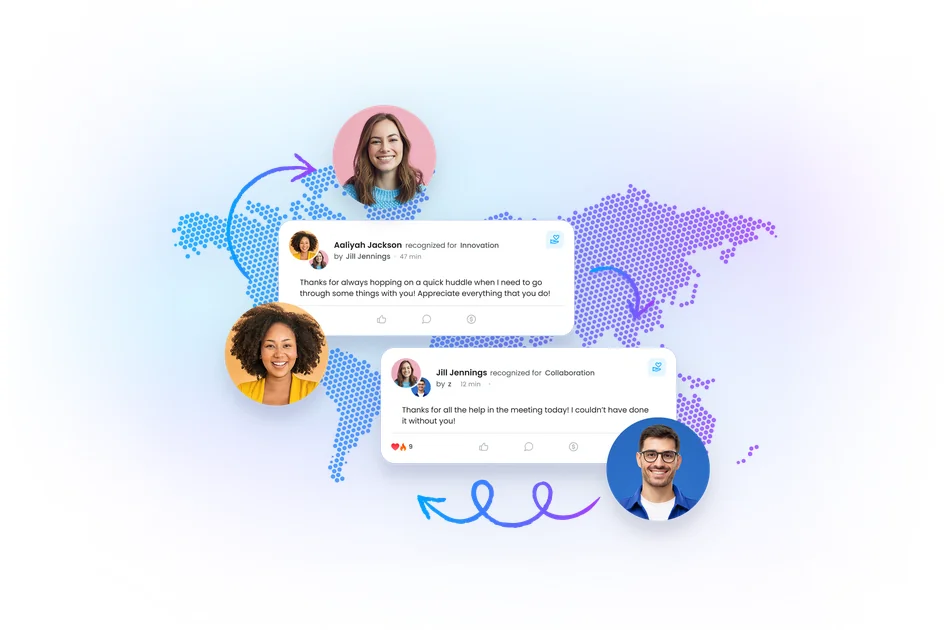
Motivosity helps you automate employee milestone celebrations without making them feel generic. Managers get an easier path to recognize employees on time. Peers can join in. Recognition stays visible across the company. That helps milestone celebrations feel more connected and more consistent.
If you want to add flexibility, Motivosity also supports modern rewards through its employee rewards platform. That gives you more ways to match the celebration to the person.
The result is simple: less manual chasing, better visibility, and stronger recognition at scale.
The best approach is timely, personal recognition that matches the employee’s milestone and preferences. Start with a specific message, then add the right level of visibility or reward.
Most employees want meaningful recognition, flexibility, and relevance. They usually respond better to thoughtful appreciation than to a generic gift.
They can be, if the employee is comfortable with it. Public recognition works best when the tone and visibility feel right for that person.
Name specific contributions, growth, and appreciation. A strong message should sound earned and personal, not copied from a template.
Use digital recognition, mailed gifts, flexible experiences, and team participation across channels and time zones. Remote employees should get the same care and visibility.