Employee milestones aren’t just moments worth celebrating; they’re high-impact opportunities to reinforce engagement, retention, and performance. In today’s distributed, high-pressure work environment, employees don’t just want rewards; they want to feel seen, valued, and connected. When milestone recognition is timely, visible, and meaningful, it becomes a powerful driver of culture and business results.
Leading organizations treat milestone celebrations as part of a broader employee engagement strategy, not a collection of one-off gestures. The most effective programs are consistent, scalable, and designed to work across teams, locations, and roles without adding administrative burden.
Key Takeaways:
Achievements deserve to be celebrated—and increasingly, high-performing organizations agree. Research consistently shows that employees are far more likely to repeat positive behaviors and stay engaged when their efforts are recognized. In fact, recognition is one of the strongest predictors of employee retention and performance.
But not all milestone celebrations are created equal.
The modern workforce expects recognition that feels personal, timely, and human, not generic or forgotten. This guide breaks down what employee milestone celebrations are, which moments matter most, and how organizations can celebrate them effectively—without adding complexity or cost.
A work milestone celebration is the intentional recognition of a meaningful moment in an employee’s professional or personal journey. These milestones signal contribution, growth, or commitment—and acknowledging them reinforces a sense of belonging.
Examples include:
Milestone recognition differs from casual appreciation or one-off thank-yous. It’s structured, intentional, and tied to moments employees remember.
This matters because employees who feel overlooked are far more likely to disengage—or leave entirely. Recognition isn’t just cultural; it’s strategic.
Celebrating milestones isn’t about cupcakes and gift cards. It’s about reinforcing behaviors and relationships that drive outcomes.
Engaged employees consistently outperform disengaged teams. Organizations with strong recognition practices see higher productivity and stronger alignment with company goals.
Employees who feel valued stay longer. Milestone recognition builds loyalty by acknowledging long-term commitment and everyday progress—not just big wins.
Recognition makes company values visible. When milestones are celebrated publicly, employees understand what success looks like and feel more connected to one another—especially in remote or hybrid environments.
Today’s workforce expects recognition that reflects the whole person—not just tenure.
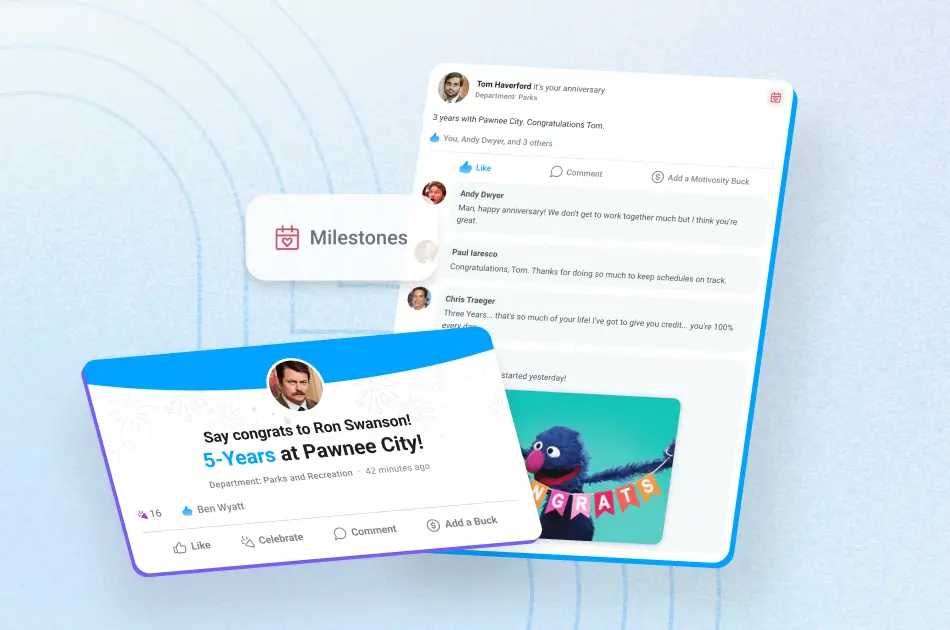
Celebrating service anniversaries—especially the first year—helps reinforce belonging early and reduces new-hire attrition. Longer milestones deserve increasingly meaningful recognition.
Simple acknowledgments go a long way. When done thoughtfully and with employee preferences in mind, birthday recognition boosts morale and connection.
Promotions, certifications, completed projects, and performance milestones signal progress. Recognizing them reinforces development and motivates others.
Marriage, new children, adoptions, and even personal achievements outside of work matter. Acknowledging these moments shows employees they’re valued as humans—not just resources.
Retirement celebrations honor long-term contribution and reinforce respect for employee journeys, past and future.
The key is alignment: the significance of the celebration should match the significance of the milestone.
At scale, milestone recognition cannot rely on memory, spreadsheets, or desk-drawer gift cards.
Managers play a critical role, but HR leaders often provide structure, ensuring milestones are tracked, celebrated consistently, and aligned with company values.
The most effective programs automate reminders, budgets, and delivery, while still allowing leaders and peers to personalize recognition.
This approach ensures:
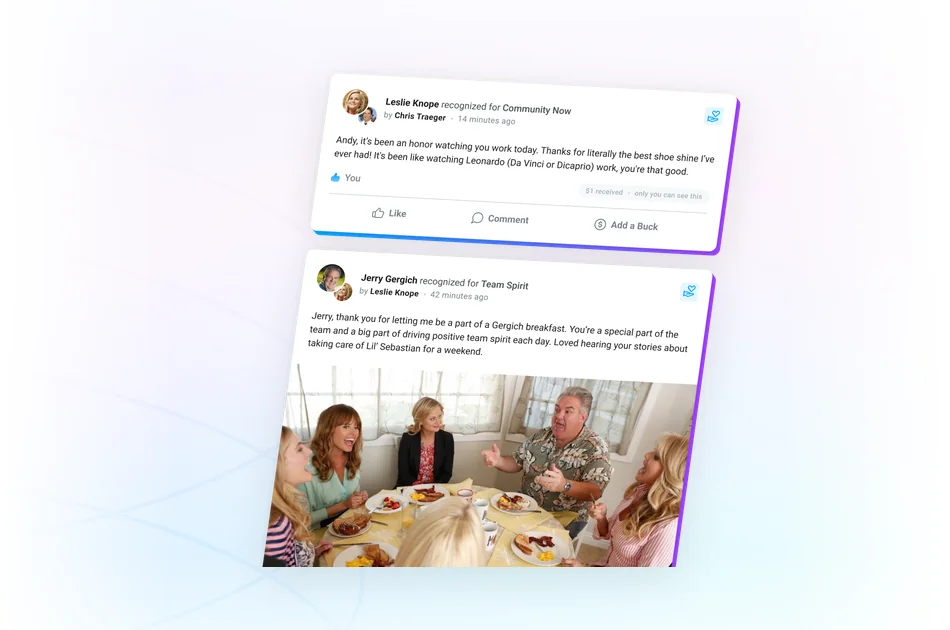
Milestone celebrations are most impactful when they’re social and visible.
Employees contribute by:
Peer-to-peer recognition reinforces connection and creates a culture where appreciation is shared—not siloed at the top.
Effective milestone recognition doesn’t require extravagance—just intention.
High-impact approaches include:
Flexibility matters. Employees value choice—and recognition feels more meaningful when they can use rewards in ways that matter to them.
To maximize impact, organizations should follow five core principles:
Milestone recognition works best when it’s easy, scalable, and consistent. That’s why many organizations use a centralized recognition and rewards platform like Motivosity.
Motivosity helps organizations:
The result? A culture where employees feel seen, leaders stay involved, and HR teams spend less time managing programs—and more time driving impact.
Ready to turn milestone celebrations into a strategic advantage?
Explore how Motivosity makes recognition simple, meaningful, and scalable.