
Most ERGs fail not because organizations don't care about inclusion, but because they launch without the infrastructure to sustain them. Only 27% of organizations currently have active ERGs, and the gap isn't about intention. It's about systems, resources, and the visibility ERG leaders need to keep going.
This guide walks through a six-step process for building an ERG that holds: from identifying real employee need and writing a charter, to securing executive sponsorship, building a digital home, and measuring impact from day one.
Key Takeaways
Most ERGs start with good intentions and a Slack channel. A few months later, the channel's quiet, the founding members are burnt out, and HR is wondering what went wrong.
Here's what usually happened: the ERG was launched without the infrastructure to sustain it. Not without caring. Without the systems, resources, and visibility that turn a good idea into a program that actually holds.
Only 27% of organizations currently have active ERGs, according to the 2026 State of Workplace Culture & Connection (HR.com x Motivosity, 2026). That number isn't low because companies don't care about inclusion. It's low because ERGs are hard to sustain without the right scaffolding.
This guide walks through what that scaffolding looks like and how to build it.
An employee resource group is a voluntary, employee-led community organized around a shared identity, background, or interest. ERGs serve two jobs at once: they give employees a place to belong, and they give organizations a window into the experiences of specific employee populations.
The failure mode isn't usually a bad mission. It's:
The fix isn't more enthusiasm. It's structure.
Before you announce an ERG, make sure these four elements are in place:
Executive sponsorship. Every ERG needs at least one senior leader who shows up, advocates internally, and gives the group visibility it wouldn't otherwise have. This person doesn't run the ERG. They champion it.
Dedicated budget. ERGs can't run on good intentions. Even a modest annual budget for events, guest speakers, or resources signals that the company takes this seriously.
Recognized leadership time. ERG chairs and co-chairs are doing real work. That work should be acknowledged in performance conversations, not just appreciated in passing.
A home. ERGs need a central place for communication, resource sharing, and community. Without that, activity scatters and the group loses momentum between events.
Start with listening, not announcing. Talk to employees. Where are the gaps in belonging? What communities exist informally that could benefit from more support? This step surfaces the right ERG before you design the wrong one.
The founding team shapes everything that comes after. Look for people who are connected to the community the ERG serves, have the time and interest to lead, and can work across teams. Aim for 3-5 founding members before you go public.
A charter is the ERG's foundation document. It should cover the group's purpose, who it serves, how it makes decisions, and what success looks like in the first year. Keep it short enough that people will actually read it.
Bring your charter to leadership. Come prepared with what you're asking for: a named executive sponsor, an annual budget (even a small one), and recognition for ERG leadership time. These aren't nice-to-haves. They're what separates ERGs that last from ERGs that fade.
This is where most ERGs skip ahead and later regret it. Before you launch publicly, set up:
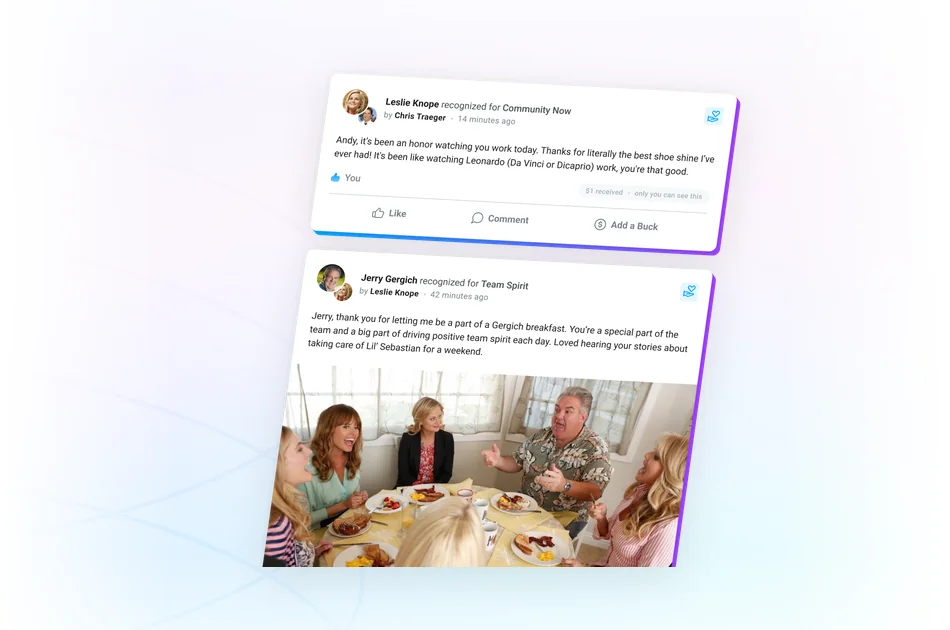
The Spaces feature in Motivosity was built specifically for moments like this. ERGs can use a dedicated Space as their digital home: a place for announcements, discussions, shared resources, and recognition that lives inside the tools employees already use. It keeps the ERG active between in-person events and gives leadership a way to reach members directly.
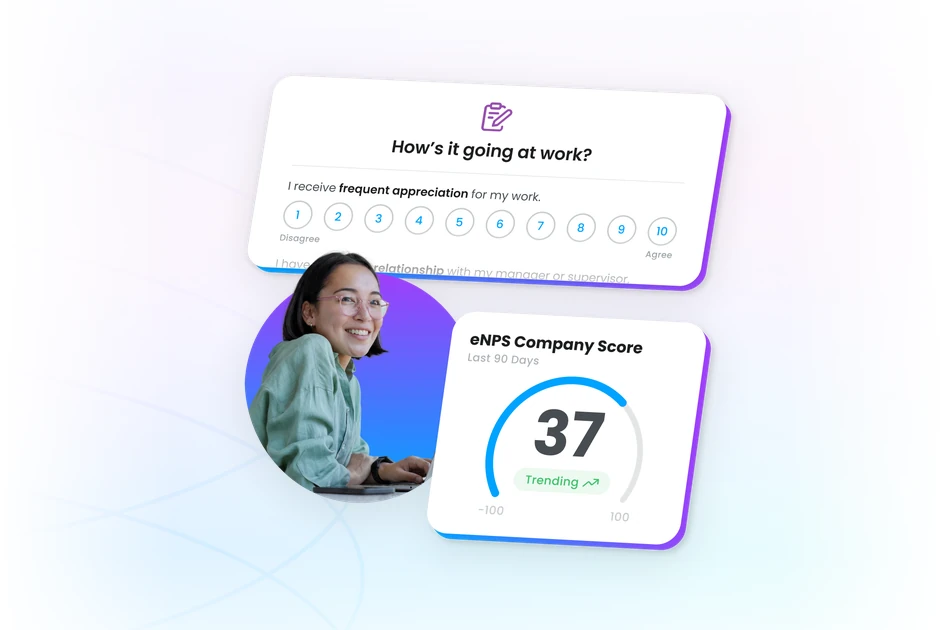
Announce the ERG with intention. Be clear about who it's for, how to join, and what members can expect. Set a handful of metrics you'll actually track: membership growth, event attendance, engagement in the ERG space, and member feedback. Review them quarterly.
Programs that stick tend to share a few things.
ERGs connected to the company's values outlast ERGs that exist in a silo. When the ERG's work is visibly tied to what the company says it believes, it becomes part of the culture rather than adjacent to it.
A rotating chair structure prevents burnout and develops new ERG leaders over time. Plan for leadership transitions from the start.
ERG contributions that show up in performance conversations, company-wide recognition, and internal communications attract sustained participation. When the work is visible, people want to do it.
Sustainable resources matter as much as initial ones. A budget that dries up after year one signals that the ERG was a launch moment, not a real commitment.
How many employees do you need to start an ERG?
There's no universal minimum. In practice, 10-15 engaged members is enough to launch something meaningful. Quality of engagement matters more than headcount.
Should ERGs be open to everyone or just the community they serve?
Most ERGs benefit from being open to allies alongside members of the community they serve. Ally membership expands the ERG's reach and builds cross-team understanding.
How do you keep an ERG active after the initial excitement fades?
Programming and consistent communication are the two biggest levers. A quarterly calendar with a mix of events, conversations, and resources keeps members engaged between big moments. A dedicated ERG space makes it easy to stay connected without waiting for the next event.
Who owns the ERG budget?
Typically HR or People Ops in coordination with finance. The ERG charter should document who controls the budget, how it can be spent, and who approves requests.
What's the difference between an ERG and an affinity group?
The terms are often used interchangeably. Some organizations use "affinity group" to signal a less formal structure, while "ERG" implies more formalized programming and organizational support. The label matters less than whether the group has the infrastructure to do its job.
Building an ERG well means building it before you need it to be perfect. The companies with the strongest ERG programs didn't launch them flawlessly. They started with a clear purpose, gave their leaders what they needed, and kept showing up.
If you want to see how Motivosity Spaces supports ERGs and other employee-led communities, request a demo.