The employee benefits trends that actually move the needle on retention in 2026 aren't the flashiest ones — they're the ones employees feel every single day. Flexibility, recognition, growth, belonging, and meaningful rewards aren't separate initiatives anymore; they're one continuous experience. And Motivosity's 2026 State of Workplace Culture and Connection Report gives HR leaders the data to back that up and act on it.
Key Takeaways:
Employee benefits trends don’t stand still for long. What employees expect from employers keeps shifting, and the benefits that actually influence retention aren't always the flashiest ones.
In 2026, employees are paying closer attention to whether their workplace supports real life: time off, flexibility, appreciation, trust in leadership, and a culture that feels worth staying for.
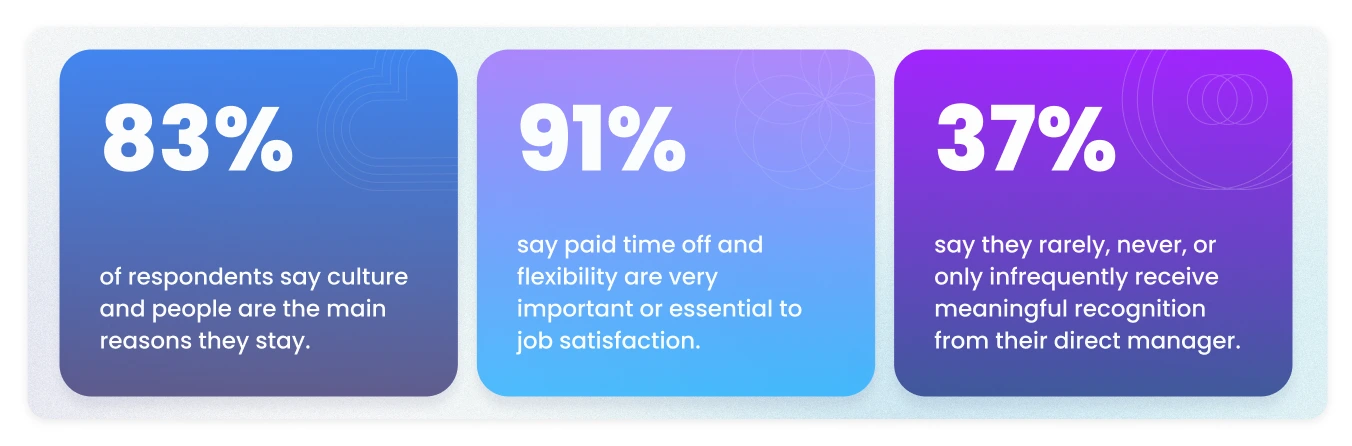
You can see that shift clearly in Motivosity’s 2026 State of Workplace Culture Report:
Together, those numbers show something important: benefits and culture are now the same experience. They are one of the clearest ways employees decide whether a company is supporting them in a meaningful, consistent way.
In this guide, we will explore employee benefits trends and the key findings from the State of Workplace Culture Report in greater detail.
Employees experience benefits every day outside of open enrollment. That shows up in simple ways:
Motivosity’s 2026 workplace culture research ties retention closely to those daily experiences. That is where many organizations get stuck. They invest in benefits, perks, and rewards, but they don’t always know whether those investments are helping retention.
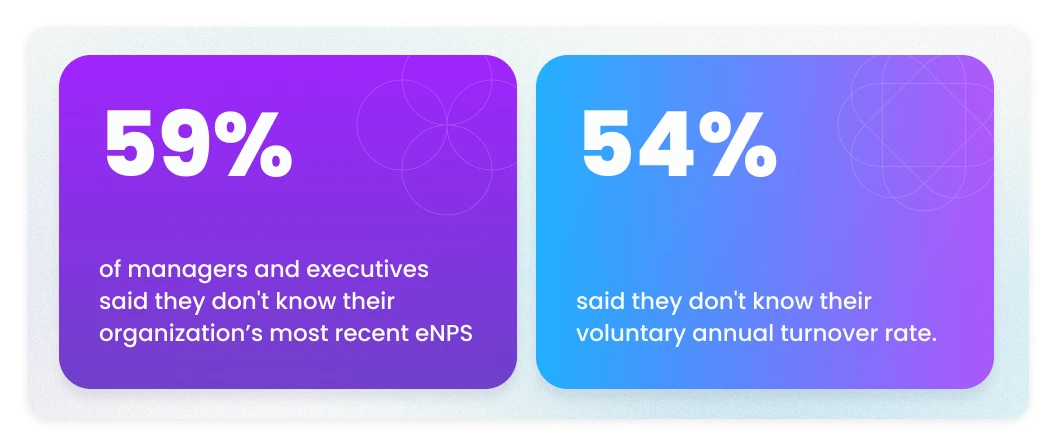
In the same report, 59% of managers and executives said they don't know their organization’s most recent eNPS, and 54% said they don't know their voluntary annual turnover rate.
If you aren't tracking sentiment or retention, you can’t see which benefits actually improve the employee experience.
Rewards make employees feel seen in the moments that shape their work experience.
Employee rewards software turns rewards into flexible, visible, and easy-to-manage options across global teams, including points, cash-based rewards, gifts, and even extra PTO.
If you want benefits to help you retain top employees, they need to do more than look good on paper. They need to support how people actually work, connect, grow, and feel valued.
If you’re looking at employee benefits trends in 2026, flexibility and paid time off belong at the top of the list. And this isn't a small preference. In Motivosity’s report:
Employees aren't separating culture from flexibility. For many people, flexibility is a culture. It shapes whether work feels sustainable, whether people can manage life outside the office, and whether they trust the company to treat them like adults.
Employees now expect more control over when and where work happens. That doesn't mean every company needs the same hybrid or distributed work policy. But your policies need to reflect how your people actually work best.
In practice, employees pay attention to whether they can:
If your flexibility is weak, flashy perks won’t make up for it.
Recognition is no longer a “nice extra.” It's one of the clearest signals employees use to decide whether their work matters. Motivosity’s 2026 research found:
When recognition is inconsistent, employees feel overlooked and are less likely to stay engaged and do their best work.
If you want recognition to work, it can't depend on one well-intentioned manager remembering to say thanks once in a while. Recognition should still start with leadership, but it shouldn’t end there. You need a system that makes appreciation visible, frequent, and easy to give.
That’s where peer-to-peer recognition helps:
The strongest programs instill better habits in managers and give employees more ways to reinforce one another.
Employees don't just want a job they can keep. They want a role where they can continue to grow. That’s especially true for younger employees. Motivosity’s report found that, of the employees who say growth and development is a top cultural influence:
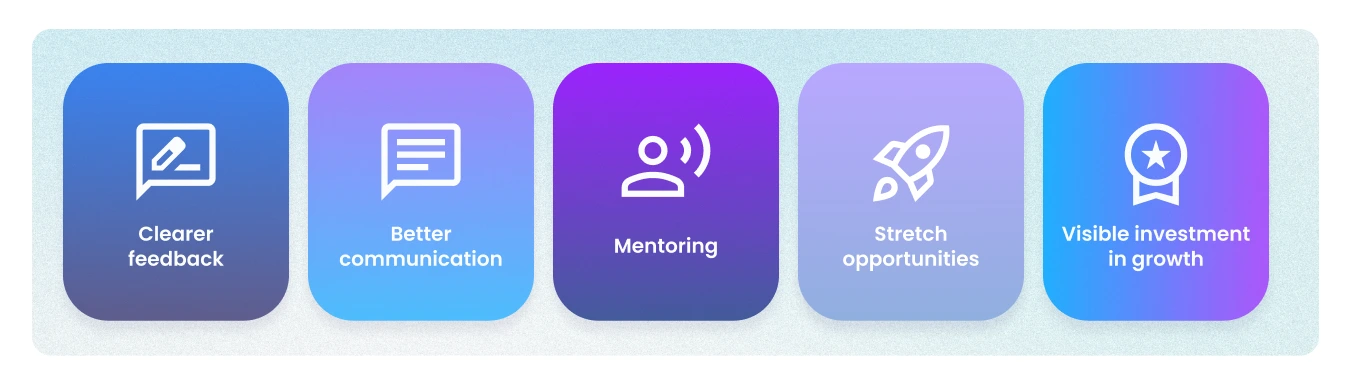
In other words: Development drives retention. Employees are more likely to stay when they can see a future with you. That future doesn't always mean a promotion right away. But it can mean:
Employee engagement software provides a connected experience for ongoing engagement and recognition. You can set up employee spaces, programs like onboarding and employee resource groups (ERGs), and tools to measure impact in real time.
Development works best when employees feel heard, included, and supported — not just managed. If you want to keep younger talent in particular, growth can't be vague. You need to show employees that:
Recognition should lead the strategy, but tangible rewards still play an important role in retention. Motivosity’s report found:
That doesn't mean you should build a retention strategy around money alone. It does mean employees notice when rewards are practical, timely, and relevant to their lives.
Cash-based rewards give people flexibility. Wellness perks show that you care about sustainable performance, not just output in the moment. Together, they can reinforce a culture where people feel supported, not squeezed.
Wellness also deserves a broader definition here. It isn't only about gym reimbursements or wellness apps. It's also about creating conditions where employees can perform well over time, including:
The takeaway is simple: When rewards and wellness perks align with what employees value, they strengthen retention. When they’re generic or disconnected from culture, they have much less impact.
Belonging doesn't stop at the team level, and many companies still have work to do in this area. In Motivosity’s 2026 research:
Strong team connection alone can still leave people feeling siloed across departments, functions, and locations. If you want retention to improve, employees need to feel part of something bigger than their direct circle.
Benefits and programs that strengthen wider belonging can make a difference with:
These kinds of programs help people build relationships across the organization.
However, only 27% of organizations use ERGs, even though interactive tools for connection can turn engagement into something employees actually feel.
Tools that connect teams across locations and time zones are crucial for remote, hybrid, and multilocation organizations. If employees only feel connected to those they work with, your culture will feel fragmented — even when individual teams are doing well.
The strongest retention strategies foster a sense of belonging at both levels. You want employees to feel close to their immediate team, but also to feel like they are part of a larger community they would miss if they left.
Trends are easy to understand. Acting on them is harder.
The best place to start is with a simple question: Are your benefits solving the problems that make people leave? If the answer is unclear, you don't need more programs yet. You need to understand what employees actually experience day to day.
Start by auditing your current benefits against the retention drivers that matter most in 2026:
Benefits can look strong on paper and still miss the mark in practice. You may offer generous perks, but if employees don't feel appreciated, don't trust leadership, or don't see room to grow, those perks will only go so far.
Once you have a clearer picture, fix the biggest gaps first. For example:
But don’t overcomplicate things by adding new perks when the real problem is inconsistency. If recognition is uneven, you can:
When employees can see the full picture, your benefits feel more real, more intentional, and more connected to their experience.
The goal isn't to offer everything. The goal is to make smarter choices, close the biggest gaps, and build a benefits experience that employees can actually feel.
The employee benefits trends shaping retention in 2026 all point in the same direction: employees stay when work feels more human.
Benefits can't just exist in a handbook. Your benefits strategy needs to show up in the moments that matter every day:
Motivosity helps you strengthen the parts of the employee experience employees notice most, including:
Instead of treating benefits, rewards, and culture as separate efforts, Motivosity brings them together in one people-first experience. That makes it easier for you to build a workplace where employees feel seen, supported, and more likely to stay.
If you are rethinking employee benefits in 2026, start with what employees actually feel every day:
When the answer is yes, retention gets stronger.
Schedule a demo to see how Motivosity can help you build a benefits experience that supports connection, recognition, and long-term retention.