Flexibility isn't a perk anymore. It's one of the clearest signals of whether a workplace actually respects the people in it, and the data backs that up: 91% of employees say PTO and flexibility are essential to their job satisfaction.
Done well, flexibility doesn't loosen accountability, it sharpens it, shifting the focus from hours logged to work delivered.
Flexibility gets simplified into remote work a lot, but that's only one piece of it. There are really three layers.
Schedule flexibility is control over when someone works. Not everyone does their best thinking at 9am, and a parent managing school drop-off shouldn't have to choose between being present for their kid and being present for a meeting that could've been an email.
Location flexibility is control over where someone works: fully remote, hybrid, or in-office by choice rather than mandate. This gets the most attention, but it's not the whole picture.
Autonomy is the one people underestimate. It's the freedom to decide how a job gets done, not just when and where. A skilled employee trusted to solve a problem their own way usually finds a better way than the one dictated in a policy doc.
Flexibility is not the absence of structure, and that distinction matters. A team with no expectations, no deadlines, and no accountability isn't flexible. It's just disorganized.
Real flexibility works because the structure shifts from managing inputs, like hours and location, to managing outputs: did the work get done, and was it good. That's a harder muscle for managers to build than simply requiring butts in seats from 9 to 5. But it's the one that actually predicts whether flexibility helps or backfires.
A few things are converging at once, and none of them are going away.
Work-life balance is now the single biggest factor shaping workplace culture. In Motivosity's 2026 State of Workplace Culture and Connection report, 47% of employees named it the top influence on their culture, ahead of peer relationships, communication, and even their direct manager. When nearly half your workforce says this is important to me, that's the baseline expectation now, not a trend to wait out.
Remote work didn't create the desire for flexibility. It just proved it was possible. Once millions of employees spent a few years managing their own schedules and still hit deadlines, there was no putting that understanding back in the box. Asking people to return to rigid, location-bound structures after that is a hard sell, and employees know it.
Generational shift is part of this too. Employees 34 and under are far more likely than their older colleagues to name growth opportunities and communication as top culture factors. They're watching how a company actually treats its people, flexibility included, and deciding accordingly.
And then there's the competition for talent. When two companies offer similar pay and similar roles, flexibility is often the tiebreaker. If your team is spread across time zones or working styles, the way you engage with remote teams has a lot to do with whether flexibility strengthens your culture or quietly erodes it.
When someone has a say in how their work gets done, they tend to invest more in the result. Autonomy is one of the most consistent drivers of engagement, because people care more about outcomes they helped shape.
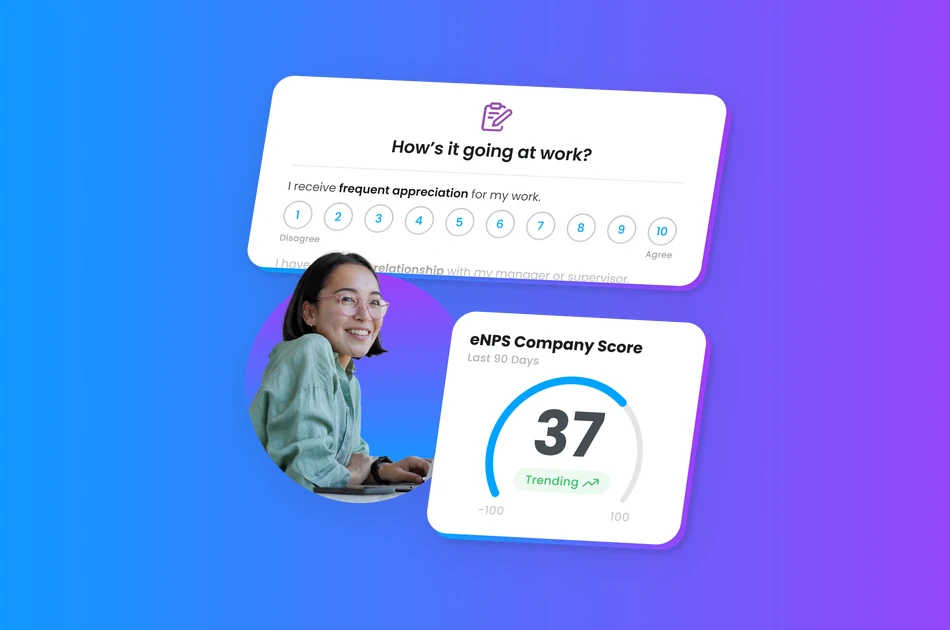
The tricky part is measuring engagement once your team isn't all in the same building. That's where regular check-ins matter more than they used to. Pulse surveys give you a fast read on how flexible or remote employees are actually feeling, instead of waiting for an annual survey to tell you six months too late that someone's already checked out.
People don't quit jobs as often as they quit rigidity. The exit interview usually says something diplomatic about seeking a new challenge. The real reason is often that the job stopped fitting their life, and nobody offered a way to make it fit again.
If 91% of employees say that PTO and flexibility is essential to their job satisfaction, and your organization isn't delivering on that, you're actually giving your employees a reason to leave.
Burnout doesn't come from working hard. It comes from working hard with no control and no relief in sight.
Sustainable performance requires recovery, and flexibility is one of the few levers a company can pull that gives employees room to recover without taking their foot off the gas.
Flexibility signals something bigger than the policy itself. It tells employees the company trusts them enough to let go of the how, as long as the what gets handled.
Cultures that lead with control breed quiet resentment. Cultures that lead with trust get more effort in return, the kind nobody can mandate but everyone notices when it's missing.
Flexibility only works if managers actually believe in it, not just tolerate it because HR rolled it out. A manager who still expects instant replies at 9 pm or side-eyes someone logging off at 4:30 to pick up their kids hasn't adopted flexibility. They've added a policy on top of the same old expectations.
This is where manager training earns its keep. Managers need to know what outcome-based management looks like day to day, not just get handed a memo saying we're flexible now. Trust has to be modeled from the top, or the policy is just words nobody believes.
Employees don't want flexibility to mean chaos, and they don't assume it means remote-only either.
They want autonomy, real say over how and sometimes when their work happens. Almost as much, they want predictability: enough structure to plan their lives around, since flexibility that shifts week to week without warning creates its own kind of stress. And they want fairness, the sense that the same rules apply whether someone's on the leadership team or three weeks into the job.
A flexible policy that only benefits certain roles isn't flexibility. It's favoritism with better branding, and employees notice the difference immediately.
Flexibility isn't free. It comes with real friction if a company doesn't plan for it.
Communication gaps show up fast once people aren't sharing a hallway or a set schedule. Decisions that used to happen in a five-minute walk-by now require someone to actually write things down and share them.
Accountability gets murkier without visible hours as a proxy for effort. Managers trained to equate presence with productivity have to relearn what doing the job well looks like when they can't see it happening in real time.
Fairness across roles is the hardest one. A remote-friendly policy is easy to offer a software engineer and much harder to offer a frontline nurse or a retail associate. Companies that ignore this gap end up with a two-tier culture, one group with flexibility and another told it's not possible for your role.
Flexibility and performance can coexist, it just requires some groundwork. Here's how to make sure performance doesn't suffer.
Define expectations clearly. Flexibility works when everyone knows what done looks like. Vague expectations paired with flexible schedules is a recipe for confusion, not freedom.
Measure outcomes, not hours. If your systems are still built around tracking time logged, they're fighting the flexibility you're trying to offer. Shift the measurement to what actually got produced.
Give managers real decision-making authority. A blanket policy written by HR only goes so far. Managers closest to the work need the authority to adapt flexibility to their team's actual rhythms, not enforce a one-size-fits-all rule from a slide deck.
This doesn't take new software. It takes a company willing to trust people with the how, once the what is clear.
Policy is written at the top. Flexibility is experienced at the level of a single manager and a single employee.
A great flexibility policy handed to a manager who still micromanages is worthless. The employee doesn't experience the policy. They experience their manager's behavior.
That means the real work sits with managers: communicating clearly, trusting consistently, and following through when someone asks for flexibility instead of treating the request as an inconvenience. Get that right, and engagement follows almost automatically.
Flexibility isn't a phase companies are waiting out until things go back to normal. There isn't a version of normal to go back to. The workforce entering the job market now grew up watching flexibility become standard, and they'll expect it the way past generations expected a steady paycheck.
That doesn't mean every company needs to go fully remote or throw out structure entirely. It means the companies that stay adaptable, that keep listening to what their people actually need, are the ones that keep their best people. The ones that dig in and insist on the old way will spend more time backfilling roles than building anything.
None of this happens through policy alone. It happens through daily habits: managers who actually check in, employees who feel safe raising what isn't working, and a culture that treats trust as the default rather than something people earn back every quarter.
Motivosity was built around that idea. Recognition, connection, and the small daily moments that tell someone they're seen and trusted matter just as much as the policies on paper. If you're trying to figure out whether your flexibility policy is actually landing, pulse surveys are a good place to start. You'll hear directly from your people whether flexibility feels real to them or just looks good in the handbook.
Why is flexibility important in the workplace?
Because it directly affects whether people stay. Employees rank paid time off and flexibility among the most important factors in their job satisfaction, and companies that ignore that are handing competitors a reason to poach their best people.
What are examples of workplace flexibility?
Flexible start and end times, hybrid or remote work options, compressed workweeks, results-only work environments, and the freedom to choose how a task gets done rather than following a rigid process.
Does flexibility improve productivity?
Yes, when it's paired with clear expectations. Flexibility without accountability creates confusion. Flexibility with clear outcomes tends to increase focus, because people spend less energy managing appearances and more energy managing actual work.
What do employees want from flexible work?
Autonomy over how they work, predictability they can plan around, and fairness so flexibility isn't quietly reserved for certain roles or certain people.
How can companies offer flexibility effectively?
Start with clear expectations, shift measurement from hours to outcomes, and give managers real authority to adapt flexibility to their team instead of enforcing a single rigid policy company-wide.