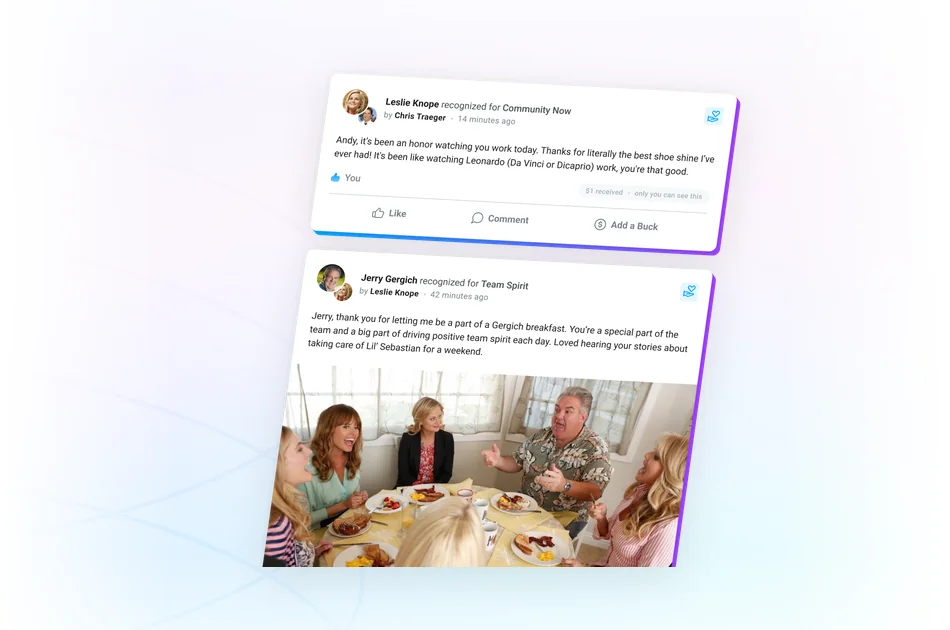

Employee recognition is one of the most powerful yet underutilized tools for driving retention, engagement, and individual employee performance. When employees feel valued and appreciated, they're more productive, more committed, and more likely to stay with your organization long-term. With 69% of employees saying they'd work harder if they felt better recognized, and employee turnover costing up to twice an employee's annual salary, investing in recognition isn't optional—it's essential. This comprehensive guide explores the recognition-to-retention pipeline, revealing actionable strategies to transform your workplace culture, reduce costly turnover, and build a team that stays, performs, and thrives.
Key Takeaways
In today's competitive talent landscape, the question isn't whether you can afford to invest in employee appreciation—it's whether you can afford not to. Every employee who walks out the door takes with them institutional knowledge, client relationships, and team cohesion. They leave behind disruption, decreased morale, and recruitment costs that can reach up to twice their annual salary.
Yet remarkably, nearly 70% of employees cite recognition and rewards as primary reasons they remain at their current jobs. The data is clear: recognition isn't just a nice-to-have perk or HR buzzword—it's a strategic imperative that directly impacts your bottom line.
This guide explores the critical pipeline between recognition and retention, providing you with proven frameworks, actionable strategies, and modern best practices to transform how your organization retains its most valuable asset: its people.
Employee retention refers to an organization's ability to keep its employees and prevent voluntary turnover. High retention rates signal that employees are committed to your company's mission and satisfied with their work environment. Low retention rates, conversely, indicate underlying issues that drive talented people to seek opportunities elsewhere.
Retention is closely connected to other critical metrics like employee engagement, job satisfaction, and morale. When these elements are strong, retention naturally follows. When they're weak, even the best compensation packages won't keep people from leaving.
The financial impact of poor retention extends far beyond obvious recruitment costs:
Conservative estimates suggest replacing an employee costs 50-200% of their annual salary. For specialized or leadership roles, costs can be even higher.
Organizations that successfully retain talent experience measurable advantages:
While more than 40% of employee turnover is preventable, organizations need to understand the root causes before they can address them effectively.
Understanding why employees depart is the first step toward building effective retention strategies. While exit interviews provide some insights, often the warning signs appear long before someone submits their resignation. Here are the primary drivers of employee turnover and how to spot them early.
Over 60% of employees who leave cite insufficient compensation as a primary factor. In today's transparent salary landscape, employees can easily research market rates and know when they're being undervalued.
What to do: Regularly benchmark salaries against industry standards. Consider implementing flexible workforce rewards that provide additional value beyond base salary. Even if you can't always match the highest offers, transparent conversations about compensation and a clear path to increases demonstrate respect for your employees.
Recognition deficits create silent resentment. Almost 70% of employees report that recognition and rewards are why they stay in their current roles. When hard work goes unnoticed, motivation plummets and job searches begin.
What to do: Implement structured employee recognition tools that make appreciation consistent rather than sporadic. Recognition should be timely, specific, and authentic—not limited to annual reviews or major milestones.
More than 60% of departing employees cite lack of advancement opportunities as a factor in their decision to leave. Career-minded individuals need to see a path forward—without it, they'll find one elsewhere.
What to do: Create transparent career pathways. Offer training programs, mentorship opportunities, and clear criteria for advancement. Show new hires how their careers might progress. For high performers, provide stretch assignments and leadership development opportunities.
A significant percentage of employees would leave for roles offering greater flexibility. Burnout from constant overwork drives even the most dedicated employees to seek better balance elsewhere.
What to do: While complete flexibility may not be feasible for every role, explore options like remote work, flexible scheduling, and results-oriented work environments. Respect personal time and avoid glorifying overwork. Create family-friendly policies where appropriate.
More than 90% of employees say company culture directly impacts their decision to stay or leave. Toxic environments—marked by poor communication, lack of trust, or misaligned values—drive even well-compensated employees away.
What to do: Build a purpose-driven culture where employees understand how their work contributes to larger goals. Foster transparent employee communication software channels and leadership accountability. Address toxic behaviors swiftly and consistently.
Employees who lack strong connections with colleagues or feel isolated from their teams are at higher risk of departure. This is particularly acute in remote and hybrid environments.
What to do: Foster collaboration through team-building activities, cross-functional projects, and peer-to-peer recognition programs. Use engagement survey platforms to regularly assess connection and belonging.
Uncertainty about job stability or company direction creates anxiety. When employees feel left in the dark—especially during challenging times—they begin exploring safer options.
What to do: Prioritize frequent, transparent communication. Use employee pulse surveys to gather real-time feedback. Let employees know where they stand through regular check-ins and performance conversations.
Sometimes employees leave not because something is wrong, but because they've found a better fit elsewhere. This might involve career changes, relocations, or opportunities that better align with their long-term goals.
What to do: While you can't prevent every departure, you can minimize them by ensuring your organization remains competitive on all fronts: compensation, culture, growth opportunities, and recognition. Stay engaged with employees about their career goals and aspirations.
Often, employees signal their intentions long before resignation. Watch for these indicators:
When you spot these signals, act quickly. Schedule one-on-one conversations to understand concerns and explore solutions. Sometimes, addressing issues early can prevent a valued employee from leaving.
While compensation matters, recognition is often the differentiating factor that makes employees feel valued enough to stay. Research consistently demonstrates that employees who receive regular appreciation are more productive, more engaged, and significantly more likely to remain with their organization.
The data is compelling: 69% of employees say they would work harder if they felt their efforts were better recognized. Recognition doesn't just make people feel good—it drives tangible business results.
Recognition fulfills fundamental human needs:
Importantly, recognition must be authentic, timely, and specific to be effective. Generic annual awards or insincere praise can actually damage trust rather than build it.
Research shows that effective recognition programs deliver measurable results:
For more insights, explore the benefits of employee recognition and understand how recognition transforms workplace dynamics.
To build a recognition culture that drives retention, focus on three foundational elements:
Recognition should strengthen relationships, not just acknowledge tasks. Peer-to-peer recognition programs are particularly powerful because they create social bonds across teams and departments. Learn more about the benefits of peer to peer recognition in building workplace community.
Effective recognition requires understanding what matters to employees. Use enps survey platform tools to gather feedback about recognition preferences and adjust programs accordingly.
Recognition should reinforce shared values and collective success. Celebrate team wins alongside individual achievements, and ensure recognition aligns with organizational goals and culture.
Understanding why recognition matters is one thing—implementing it effectively is another. Here's how to create recognition programs that actually work and drive long-term retention.
Effective recognition programs include multiple approaches:
Enable employees to recognize each other for collaboration, support, and excellence. This builds social capital and creates a culture of appreciation that doesn't rely solely on managers. When implemented well, peer recognition becomes part of daily workflow rather than an occasional event.
Managers should regularly acknowledge individual contributions and team successes. More than 70% of employee experience is shaped by manager interactions, making consistent managerial recognition critical. See employee recognition write-up examples for guidance on crafting meaningful recognition messages.
Celebrate work anniversaries, birthdays, and major achievements. These "big days" demonstrate that you value the person, not just their output. Automated systems ensure no one is overlooked.
Provide immediate recognition for exceptional work through spot bonuses or awards. These surprise acknowledgments have high impact because they're unexpected and timely.
Highlight achievements in company meetings, newsletters, or social platforms. Public recognition amplifies impact by showing the entire organization what's valued. However, be mindful that some employees prefer private appreciation—know your audience.
Pair recognition with meaningful rewards. Modern employee rewards systems offer flexibility—from gift cards to charitable donations to visa and amazon employee gift cards that can be spent anywhere. The key is giving employees choice in how they're rewarded.
Creating an effective recognition program requires thoughtful planning. Here's a proven framework, including insights on how to create an employee recognition program from the ground up:
Survey employees about current recognition practices. What's working? What's missing? How do they prefer to be recognized? This baseline data informs your strategy.
What do you want to achieve? Common goals include increasing retention, improving engagement scores, reinforcing company values, or building stronger peer relationships. Be specific and measurable.
Recognition programs need executive support. Present data on recognition's impact on retention and business performance. Secure budget and resources before launch.
Manual recognition programs rarely scale. Employee recognition software automates workflows, provides visibility, and ensures consistency. Look for platforms that integrate with your existing tools through Motivosity integrations and other workplace systems.
Determine recognition types (peer-to-peer, manager, milestone), reward options, frequency, and guidelines. For smaller organizations, explore rewards program for small business options that fit your budget and scale.
Provide clear guidance on how to give effective recognition. Train managers on best practices and equip all employees with the tools to recognize peers. Use Motivosity's employee appreciation day ideas to inspire creative recognition approaches.
Roll out the program with clear communication about purpose, process, and benefits. Make it easy to participate from day one. Consider a phased launch or pilot program to work out any issues.
Track participation rates, recognition frequency, and impact on engagement and retention metrics. Gather ongoing feedback and adjust the program based on what you learn. Recognition programs should evolve with your organization.
The difference between recognition programs that transform culture and those that become checkbox exercises lies in execution. Follow these proven best practices to maximize impact:
Recognition loses power when delayed. Acknowledge contributions as soon as possible after they occur. Real-time or near-real-time recognition creates stronger associations between behavior and appreciation. Waiting until quarterly reviews or annual ceremonies drastically reduces impact.
Generic praise like "great job" fails to resonate. Instead, describe exactly what the person did and why it mattered:
"Thanks for staying late to troubleshoot that client issue. Your technical expertise and commitment to customer success prevented a major escalation and kept the client relationship strong."
Specificity demonstrates that you truly noticed and understood the contribution. It also reinforces the behaviors you want to see repeated.
Public recognition amplifies impact. Sharing appreciation in team meetings, company channels, or all-hands gatherings shows the entire organization what's valued. However, know your people—some prefer private acknowledgment. When in doubt, ask.
Connect recognition to organizational values and goals. When someone demonstrates a core value through their work, explicitly call it out. This reinforces culture and shows that values aren't just words on a wall—they guide how work gets recognized and rewarded.
Don't make recognition a top-down-only activity. Empower all employees to appreciate each other. Peer recognition builds horizontal relationships and creates a culture where appreciation flows naturally rather than requiring managerial intervention.
Recognition is powerful on its own, but pairing it with tangible rewards increases memorability. Offer flexible options that employees actually want—not generic trinkets. Gift cards, extra PTO, donations to causes they care about, or experiences create lasting positive associations.
If recognition requires jumping through hoops, it won't happen consistently. Use platforms that integrate into daily workflows. Make giving recognition as simple as sending a message. The easier it is, the more frequently it will occur.
Don't only recognize sales wins or obvious achievements. Acknowledge behind-the-scenes work, team collaboration, mentorship, innovation, and values demonstration. When diverse contributions receive appreciation, employees understand that all roles matter.
Managers are the front line of recognition. Equip them with skills to provide effective, authentic appreciation. Use collaborative agendas, summary reports, and feedback coaching in one-on-one meetings to make recognition a consistent practice rather than an afterthought.
Sporadic recognition creates confusion and resentment. Build recognition into regular rhythms—weekly team shout-outs, monthly awards, quarterly celebrations. Consistency signals that appreciation is a core value, not a occasional PR exercise.
As organizations grow, manual recognition becomes unsustainable. Without systems and processes, recognition becomes inconsistent, delayed, or forgotten entirely. Here's how to streamline recognition so it scales with your organization:
Manual tracking of birthdays, anniversaries, and achievements is error-prone and time-consuming. Employee recognition platforms automate these workflows, ensuring no one is overlooked. Automation frees HR teams to focus on strategy rather than administrative tasks.
Key automation features to look for include:
Don't force employees to log into yet another platform. Integrate recognition into tools they already use daily—Slack, Microsoft Teams, or your HRIS. Weekly shout-outs in Zoom meetings or Slack channels make recognition a natural part of team communication.
If you wait for "the right time" to recognize people, it won't happen. Schedule recognition into your calendar:
What gets scheduled gets done. Build recognition into your operational cadence.
Designate recognition champions in each department who help drive participation, share best practices, and ensure no one is overlooked. These ambassadors bridge the gap between executive vision and frontline execution.
Comprehensive engagement platforms centralize recognition, rewards, feedback, and communication in one place. They provide visibility into who's being recognized, identify gaps, and generate analytics to inform strategy adjustments.
Amplify recognition by celebrating achievements on internal platforms, company newsletters, and even external social media (with permission). This not only recognizes the individual but also strengthens your employer brand.
Create recognition templates and guidelines that ensure consistency across teams, but allow flexibility for managers to personalize messages. Standardization prevents recognition gaps; personalization keeps it authentic.
Monitor recognition metrics: frequency, participation rates, correlation with engagement and retention. Use data to identify which managers need support, which teams are thriving, and where adjustments are needed. Measurement drives improvement.
You can't improve what you don't measure. To understand whether your recognition and retention strategies are working, track these key metrics:
Correlate recognition activity with these business metrics to demonstrate ROI and justify continued investment in recognition programs.
Measure metrics before launching recognition initiatives to establish baselines. Track progress monthly or quarterly. Look for trends rather than one-time fluctuations. Recognition programs compound over time—give them space to work before expecting dramatic changes.
Numbers tell part of the story; employee voices tell the rest. Conduct regular pulse surveys, hold focus groups, and create channels for anonymous feedback. Ask employees how recognition makes them feel and how programs could improve. This qualitative data provides context that metrics alone cannot.
The workplace is evolving rapidly, bringing new retention challenges that require adaptive strategies:
Remote employees often feel disconnected and overlooked. Ensure recognition reaches distributed teams through digital channels. Schedule virtual celebrations, use video messages for recognition, and create online communities where remote workers feel included. Recognition must be location-agnostic.
Different generations value different forms of recognition. Younger employees may prefer public social recognition and flexible rewards, while others value private acknowledgment and traditional benefits. Offer variety and flexibility to meet diverse preferences.
Not all organizations can compete on compensation alone. Recognition provides a cost-effective way to increase perceived value. Focus on authentic appreciation, flexible perks, and non-monetary recognition that demonstrates genuine care for employees as individuals.
Recognition alone won't solve burnout, but it helps. Acknowledge when employees are stretched thin, and recognize sustainable work practices. Don't just reward overwork—celebrate effectiveness, balance, and healthy boundaries.
When competitors aggressively recruit your talent, recognition creates emotional bonds that transcend compensation. Employees who feel deeply valued and connected to their teams are harder to poach, even with higher salary offers.
Retention begins before an employee's first day. The onboarding process sets the tone for the entire employee experience and significantly impacts long-term retention.
First impressions matter. Awkward, confusing, or overwhelming onboarding creates immediate doubts. Create structured, welcoming onboarding that includes:
Employees who have positive onboarding experiences are significantly more likely to remain long-term.
Don't wait months to recognize new employees. Welcome them publicly, celebrate their arrival, and acknowledge their early contributions. Showing appreciation from the start establishes that recognition is core to your culture, not an afterthought.
During onboarding, clearly communicate role expectations, success criteria, and potential career paths. When employees understand how they can grow with the organization, they're more likely to commit long-term.
The connection between recognition and retention isn't theoretical—it's proven. Organizations that invest in consistent, meaningful appreciation experience dramatically lower turnover, higher engagement, and stronger business results.
But recognition can't be sporadic or superficial. It requires:
When you build this pipeline effectively, you create a workplace where people choose to stay not because they have to, but because they genuinely want to. They stay because they feel valued, connected, and part of something meaningful.
Ready to transform your recognition and retention strategy? Motivosity provides a comprehensive, people-first platform designed to make recognition effortless, authentic, and impactful.
With Motivosity, you can:
Don't let another talented employee slip away. Book your Motivosity demo today and discover how the right recognition platform can transform your retention strategy and build the committed, high-performing team you deserve.