Play is not a ping pong table in the break room. It is not a leaderboard, a badge, or "mandatory fun" at the holiday party. Researchers who study play for a living define it as a mindset, the ability to reframe a moment with curiosity instead of pressure, and a growing stack of peer-reviewed research says that mindset might be one of the fastest paths to genuine human connection a team can build. When people play together, even in small, low-stakes ways, their brains shift, their guard drops, and trust starts forming faster than it does in almost any structured team-building exercise. This piece breaks down what the science actually says about play at work, why it is not the same thing as gamification, and how to build more of it into your culture without forcing anyone into a trust fall.
Key takeaways:
Ask most leadership teams what "play" means and you will get a picture of foosball tables and casual Fridays. Researchers who actually study this for a living define it differently. Play scientist Dr. Stuart Brown, founder of the National Institute for Play, spent decades studying play across species and life stages and found the same pattern everywhere: play is not the opposite of work. It is a state of being, marked by curiosity, low stakes, and genuine engagement, that shows up in kids on a playground and in adults deep in a great brainstorm.
A recent Annual Review of Organizational Psychology paper puts it more formally: playfulness is "the ability to frame or reframe situations in an engaging, intellectually stimulating, or entertaining way." Notice what is missing from that definition. No points. No prizes. No leaderboard. Play is a lens people put on a moment, not a program you roll out.
That distinction matters more than it sounds like it should, because it is the difference between a culture that feels alive and one that just feels busy.
Here is where it gets interesting for anyone who thinks "soft skills" like connection cannot be measured. They can, and the data is not subtle.
When people are in a genuine play state, dopamine releases in the brain's reward center, the same chemical that signals "pay attention, this matters" and drives learning and insight. At the same time, cortisol, the stress hormone that keeps people guarded and defensive, drops. The prefrontal cortex, the part of the brain responsible for judgment and problem-solving, gets more active and more efficient.
Put plainly: play turns down the internal alarm system that makes people cautious around each other, and turns up the parts of the brain that make collaboration and honesty easier. Organizational researchers describe play as a kind of relational infrastructure. It is not a nice-to-have on top of how a team works together. It is part of what makes working together possible in the first place.
You have probably sat through a "trust-building" exercise that felt more awkward than bonding. There is a reason forced vulnerability does not work as well as everyone hopes, and genuine play does.
Play works by lowering the stakes. When people know the rules are different, even briefly, that a joke is welcome, that a wrong answer will not cost them, they take more social risk. They say the honest thing. They admit they do not know something. They laugh at their own mistake instead of hiding it. Researchers call this "authentic interrelating," and it is a prerequisite for real psychological safety, not a bonus feature of it.
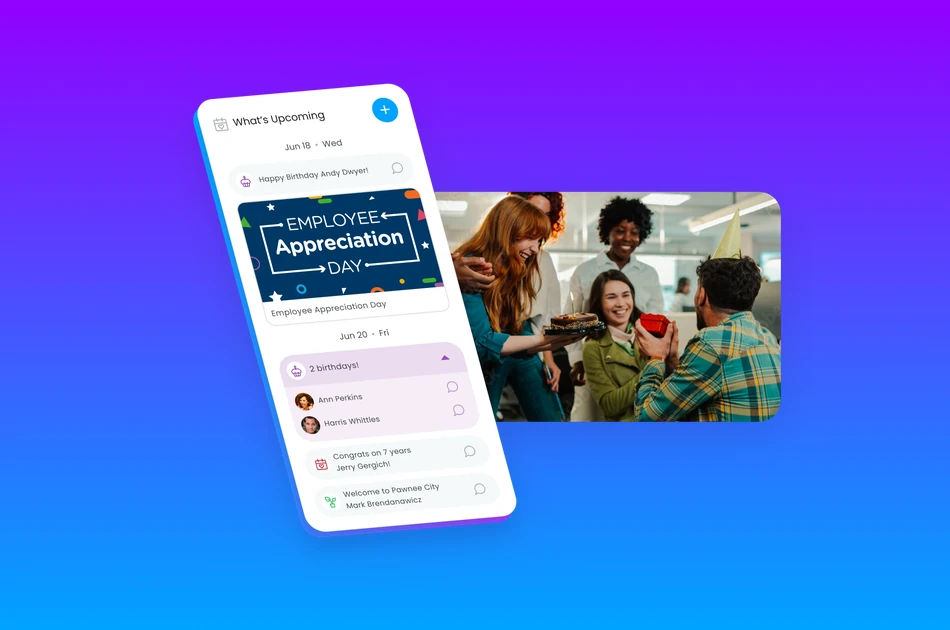
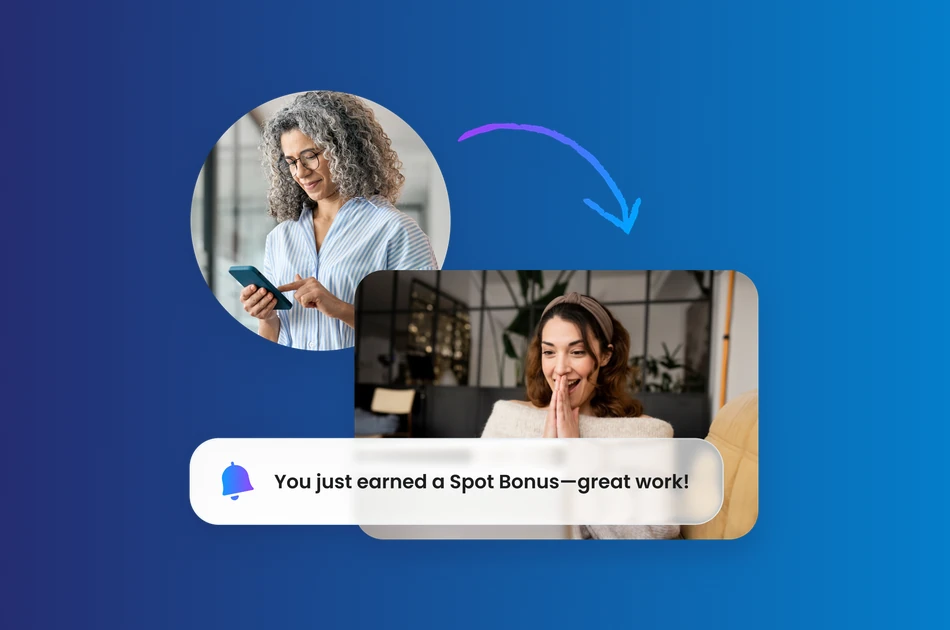
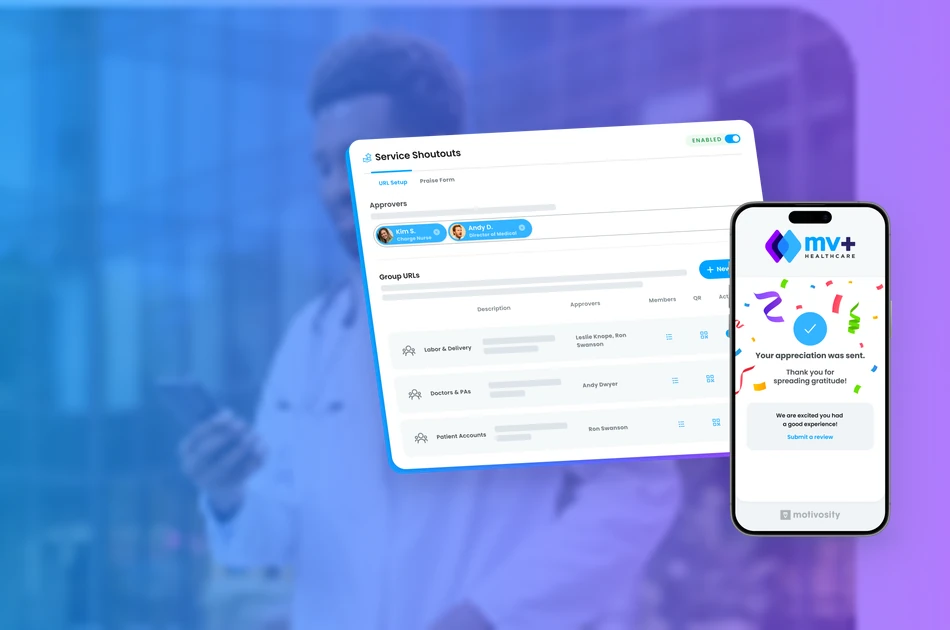
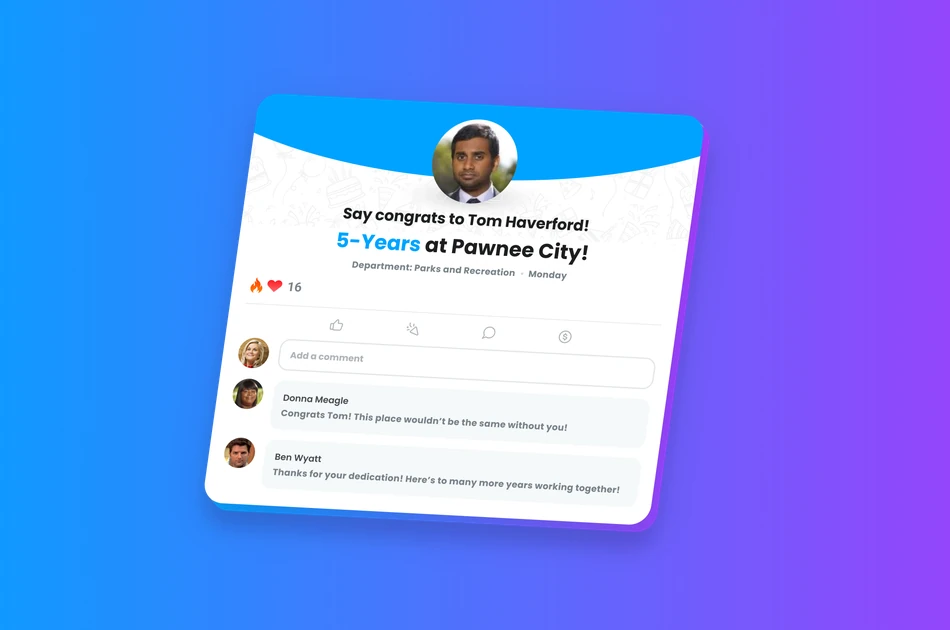
This is exactly why Motivosity has always pushed back on the idea that recognition without connection means anything. A generic "great job" checked off a to-do list does not build trust. A playful, specific, personal shoutout does, because it treats a coworker like a person worth noticing, not a task worth closing out.
This is the part people get wrong most often, so it is worth saying clearly: play and gamification are not interchangeable. Gamification is a mechanical system, points, badges, streaks, leaderboards, built to drive extrinsic motivation. Playfulness is a mindset that drives curiosity and connection. One is a scoreboard. The other is a way of showing up.
SHRM's own research on this found that nearly 80% of people who enjoy games are actually motivated by social connection, not competition, and most corporate gamification programs miss that entirely. Poorly designed leaderboards can even backfire, turning coworkers into competitors and quietly eroding the intrinsic motivation they were supposed to boost.
This is one of the reasons Motivosity was never built around a leaderboard-first, rewards-first model. Appreciation that is social, specific, and visible to the whole team builds far more connection than a point total ever will.
Skip play long enough and something quietly breaks. Workplace loneliness is now estimated to cost U.S. employers around $154 billion a year in lost productivity, and it shows up in the numbers HR teams already track: disengagement, quiet turnover, thinner collaboration across teams.
This is exactly the gap Motivosity was built to close. One of the three values the company was founded on is Stay Young, which is really just a permission slip to bring energy, curiosity, and a little bit of fun into work that so often forgets people are allowed to enjoy it. Happiness at work is not a perk bolted onto the org chart. It is the foundation good culture gets built on, and play is one of the most direct ways to build it.
Play at work rarely looks like a scheduled activity. Researchers studying "functional workplace play" describe it showing up in a few recognizable ways:
None of these require a budget line. They require permission, and usually, a leader willing to go first.
Building a more playful, connected team does not take a reorg. It takes a few intentional habits, repeated consistently.
Research referenced in this article draws on studies and reviews published in the Journal of Organizational Behavior, the Annual Review of Organizational Psychology, Scientific Reports, and workplace research from SHRM and Reward Gateway.