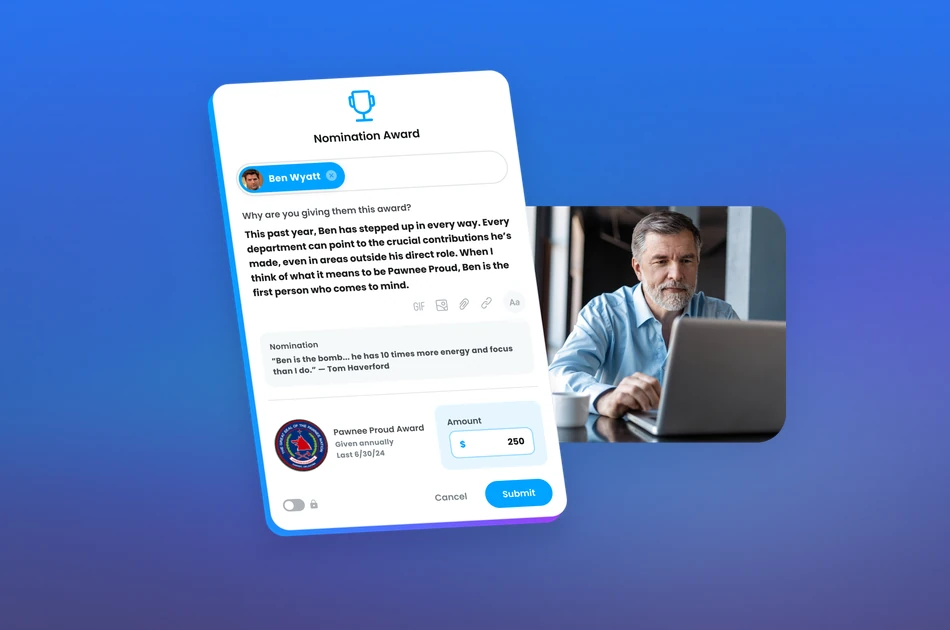
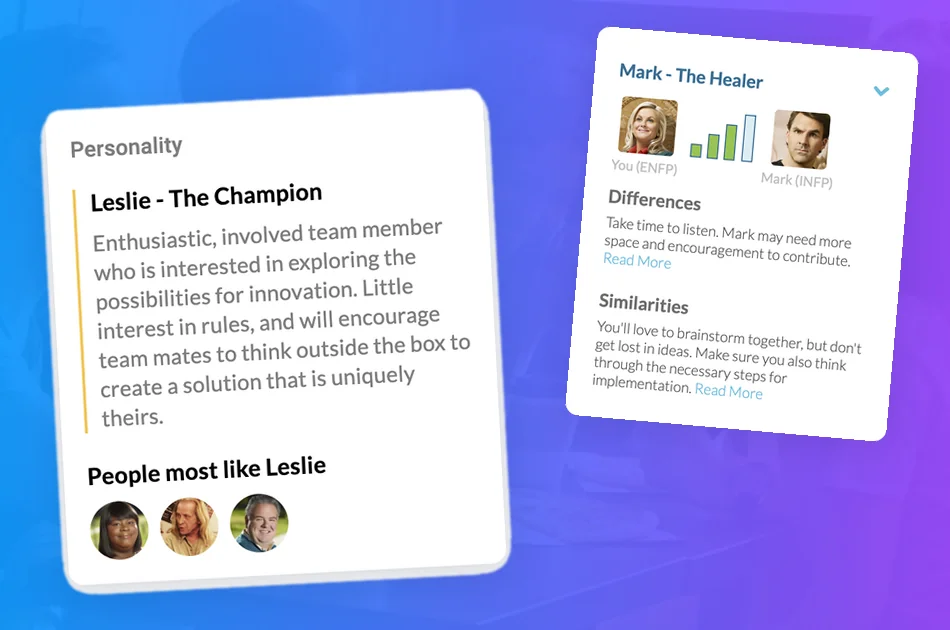
Culture does not come from a values poster on the wall. It comes from actually knowing what makes your people tick, and using that to lead and recognize them well. At CultureCon 2026 I gave a talk called "What's My Enneagram?" that started with a math trick about birthdays and ended with a room full of marketers and HR leaders mapping out how to recognize their teammates better. This post is that talk, turned into something you can use starting Monday.
I am a 7w6, an Enthusiast with a Loyalist wing, which means I move fast, chase the upside, and occasionally dodge a hard conversation with a joke. Knowing that about myself, and knowing the eight other ways people are wired, changes how I lead, how I recognize people, and how I build teams that actually work well together.
Key Takeaways
A few weeks ago I stood on stage at CultureCon 2026 and opened my session with a bet about birthdays, not employee engagement. Stick with me, it connects.
Here's the bet I make with every room. How many people need to be in it before it's more likely than not that two of them share a birthday? Most people guess 183, half of 365. The real answer is 23.
The reason our gut gets this so wrong is that we count people, not pairings. Twenty three people isn't twenty three data points. It's 253 possible pairings, because every new person has to be compared against everyone already in the room, not just added to a headcount. The math explodes a lot faster than the room fills up.
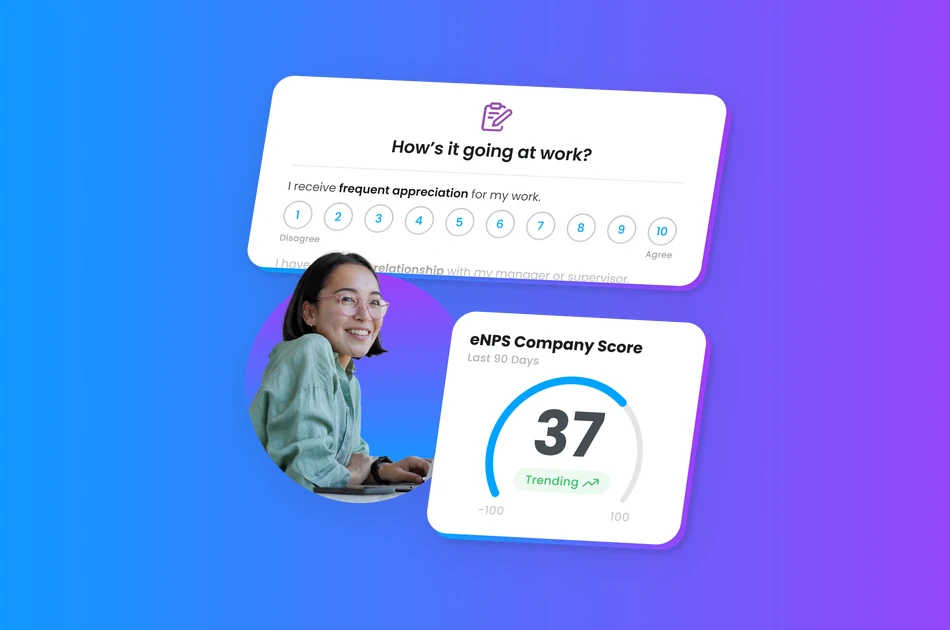
Connection at work runs on the same math. It was never about how many people walked into the building. It's about how many real pairings those people can build with each other. That's the logic behind the eNPS question you've probably seen on a survey, "I have a best friend at work." It's not really asking about a party. It's a proxy for whether real, specific connection has enough chances to happen at all.
But you can't build a real pairing with someone you don't understand. So let's talk about what actually makes people tick.
The Enneagram maps nine core motivations. It's less "what are you like" and more "what's actually driving you when nobody's watching." Nine drives, nine ways people handle stress under pressure, nine ways people need to be seen and recognized.
This isn't about sorting your team into boxes on a wall. It's about getting a better read on yourself and the people you lead, the same idea I wrote about in my take on building connection at work on purpose.
| Type | Core Drive |
|---|---|
| 1. Reformer | Wants things done right |
| 2. Helper | Wants to be needed |
| 3. Achiever | Wants to succeed, visibly |
| 4. Individualist | Wants to be understood as unique |
| 5. Investigator | Wants to understand before engaging |
| 6. Loyalist | Wants security and to know who to trust |
| 7. Enthusiast | Wants options open and the upside in view |
| 8. Challenger | Wants to be in control, not controlled |
| 9. Peacemaker | Wants harmony, and to avoid conflict |
My strengths are energy, ideas, and finding the upside fast. My blind spots are just as real. I get restless with routine, and I'll crack a joke instead of having the hard conversation I should be having. Knowing that about myself doesn't excuse it. It just means I can catch it happening and adjust before it costs me a good working relationship.
That's the whole point of this exercise. Self-awareness first, then team awareness.
This is where the Enneagram stops being a personality quiz and starts being a leadership tool. The same "great job" lands completely differently depending on who's hearing it.
| Type | What Recognition Should Do |
|---|---|
| Reformer (Type 1) | Recognize the effort, not just the finished result |
| Helper (Type 2) | Recognize them by name, specifically, not as part of a group |
| Achiever (Type 3) | Recognize the win publicly, where people can see it |
| Individualist (Type 4) | Recognize what makes their contribution one of a kind |
| Investigator (Type 5) | Recognize the expertise, not the sociability |
| Loyalist (Type 6) | Recognize their reliability, and reassure them the trust runs both ways |
| Enthusiast (Type 7) | Recognize the new idea they brought, not just the follow-through |
| Challenger (Type 8) | Recognize the results they drove, and give them real credit for the call |
| Peacemaker (Type 9) | Recognize the harmony they helped create |
Generic recognition, the same "thanks everyone" copied across a whole team, misses almost all of this. If you want recognition that actually changes behavior, tie it to what people actually value, not just to what's convenient to say.
Once you know the types on your team, you start noticing which pairings produce something neither person could build alone.
| Pairing | What Each Brings | What They Build Together |
|---|---|---|
| Achiever (3) + Peacemaker (9) | Speed and metrics meet team harmony and consensus | Results without burning out the humans doing the work |
| Reformer (1) + Enthusiast (7) | Precision and structure meet innovation and morale | High quality execution that still leaves room for creative freedom |
| Investigator (5) + Helper (2) | Deep data and systems meet client needs and support | Technical work delivered in a way people can actually use |
| Challenger (8) + Loyalist (6) | Pushing boundaries meets risk management | Bold moves backed by a real contingency plan |
None of this means you get to hand pick your team around personality types. It means when friction shows up between two good people, you have a real explanation instead of just a personality clash to shrug at.
This isn't just a fun stage bit. Motivosity's own research on gratitude centered workplaces backs it up. Recognition tuned to the actual person beats generic recognition, every time.
| What Connected, Recognized Teams Look Like | |
|---|---|
| 2x | as likely to feel connected at work |
| 96% | stronger manager relationships |
| 134% | more likely to stay |
| 83% | stay for culture and people, not perks |
You can see more of the numbers behind this in our recognition statistics roundup for 2026, and in why recognition without connection is just a transaction. That's not a slogan. That's the reason building real connection matters more than another benefit on a list, a point I keep coming back to when I think about what actually builds an employee engagement strategy that works.
Three things to actually do with this, starting Monday.
This isn't really about personality frameworks. It's about leading in a way that makes people feel seen. If you want a practical way to put this into action across a whole team, that's exactly what understanding what actually drives motivation and performance is for.